 ElectrifiedExperts
The microinverters vs string inverter question comes down to your roof. If it’s shaded, cut up by dormers, or faces several directions, microinverters (or a string inverter paired with power optimizers) usually win because each panel produces on its own. If your roof is simple, unshaded, and faces one way, a plain string inverter costs less and gives you fewer parts to fail. That’s the short version. The rest of this post walks through shade tolerance, panel-level monitoring, reliability, rooftop heat, replacement access, and cost, with real quotes from owners and installers on both sides.
Microinverters vs string inverter: what’s the quick answer?
Pick microinverters or optimizers when shade, multiple roof faces, or panel-level monitoring matter to you. Pick a single string inverter when your roof is unshaded and faces one direction, since it’s cheaper and has fewer rooftop electronics to break. Most complex residential roofs land on module-level equipment today.
How the three options actually work
All three do the same core job: turn the DC electricity your panels make into the AC electricity your house uses. Where they differ is where that conversion happens and how much control each panel gets.
Microinverters (Enphase)
A microinverter sits under each panel and converts that one panel’s DC to AC right on the roof. Enphase dominates this space. Because every panel has its own inverter and its own maximum power point tracking (MPPT), a shaded or underperforming panel doesn’t drag down its neighbors. You also get monitoring for each panel and no single big box that takes the whole system offline if it dies.
String inverter
Panels are wired in a series “string,” and all that DC runs down to one inverter, usually mounted on a wall near your electrical panel. It’s the oldest and cheapest approach. The catch is that panels in a string interact: shade or debris on one can pull down the group, and the single inverter is one point that, if it fails, stops all production until it’s swapped.
String plus power optimizers (SolarEdge, Tigo)
This is the middle option. Each panel gets a small optimizer that does per-panel MPPT and monitoring, but the actual DC-to-AC conversion still happens at one ground-level inverter. SolarEdge is the common all-in-one version; Tigo optimizers can be added to a standard string setup. You get most of the shade and monitoring benefits of microinverters, with the conversion electronics off the roof and easier to reach.
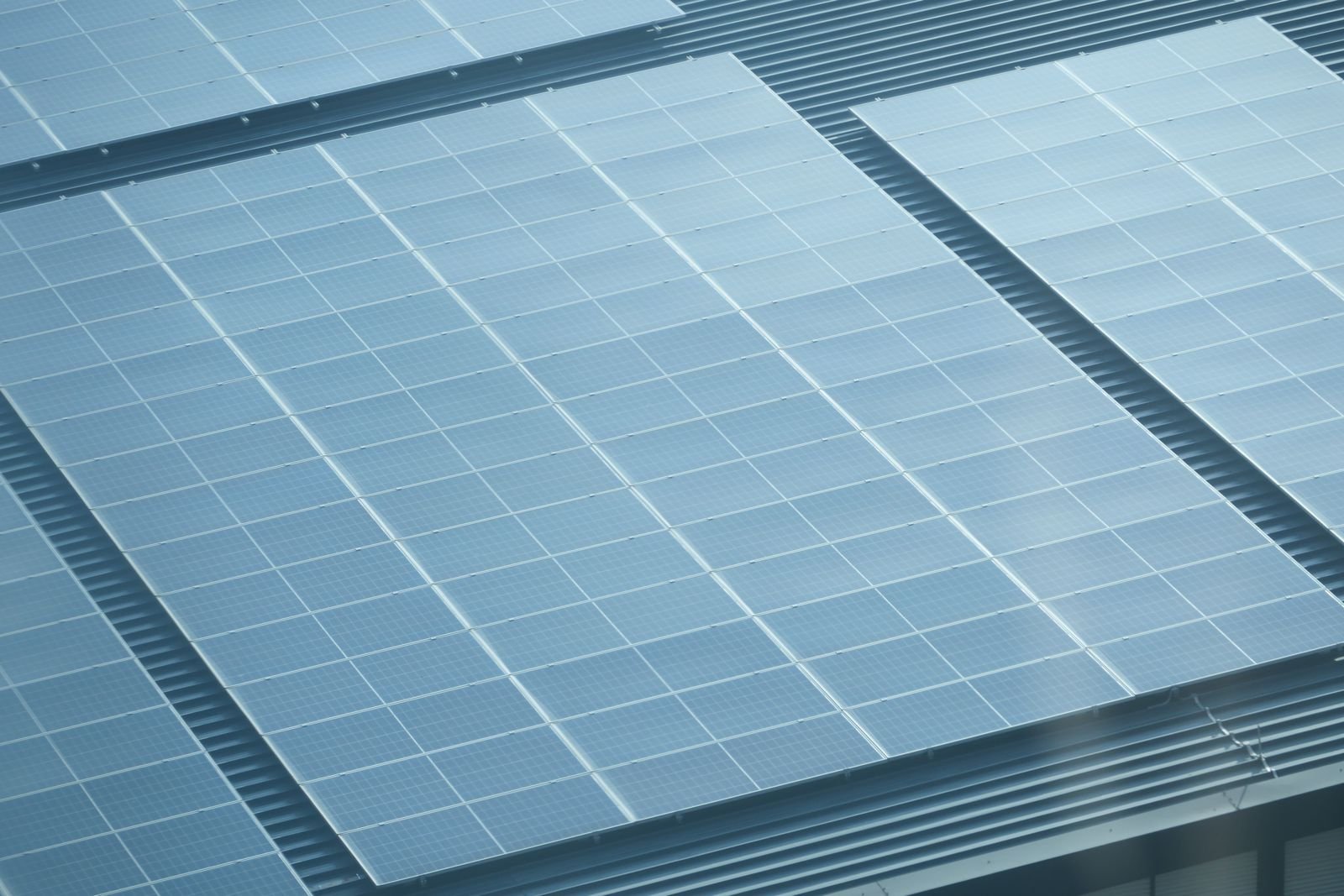
Shade and complex roofs: where per-panel MPPT matters
This is the biggest reason people reach for module-level electronics. With a plain string, a panel in shade or under a leaf can hold back the panels wired with it. With microinverters or optimizers, each panel does its own thing, so the shaded one loses a little and the rest keep producing.
The size of that advantage is smaller than the marketing suggests, though. Forum owners who actually tested it found the gap is real but modest when shade is light. One long-time contributor put the tradeoff plainly:
Without shading issues, there is not much power conversion advantages for micros or optimizers vs string inverters. Unless per panel monitoring is required, string inverters are likely the better choice.
So the honest rule: heavy or moving shade (trees, a chimney shadow that sweeps across the array) makes a strong case for per-panel electronics. A clean roof that faces south does not. If your quote assumes a big shade loss, that’s worth checking against reality. Our guide on whether your solar quote is fair covers how installers sometimes oversell equipment you don’t need.
Monitoring and finding a dead panel
Microinverters and optimizers report per-panel data to an app. That means if one panel quietly stops producing, you see exactly which one, instead of noticing a vague dip on a single string readout. For a lot of owners that visibility is the real selling point, more than the shade math.
A string inverter gives you system-level numbers only. If output drops, you know something’s off, but pinpointing which panel usually means a service visit. If you like data and want to catch a failing panel early, module-level monitoring earns its keep.
Reliability: one point of failure vs many
Here’s where the two camps genuinely disagree, and both have a point.
The case for string inverters is simplicity. Fewer parts on the roof means fewer things to break:
If shade is not a problem, a simple string setup has only a fraction as many connections, and no electronics on the roof. More complexity equals more failures.
The worry with microinverters is that you’ve put twenty or thirty small electronic devices on a hot roof, and over twenty-five years some will quit:
There is probably a good chance that at some point one or more of the electronics under each panel will die prematurely.
The counterargument from the microinverter side is redundancy. When a string inverter fails, your whole system stops until it’s replaced. When one microinverter fails, you lose one panel’s worth of power and the other panels keep going. So it’s a trade: string inverters have fewer failures but each one is total; microinverters have more possible failure points but each one is minor and easy to spot.
Some owners split the difference with a string inverter plus optimizers and are happy with it:
I have an SMA string inverter with TIGO optimizers on 60 cell solar panels and am very satisfied with my set up.
If you want a deeper look at what goes wrong and how warranties handle it, see our piece on solar inverter failure.
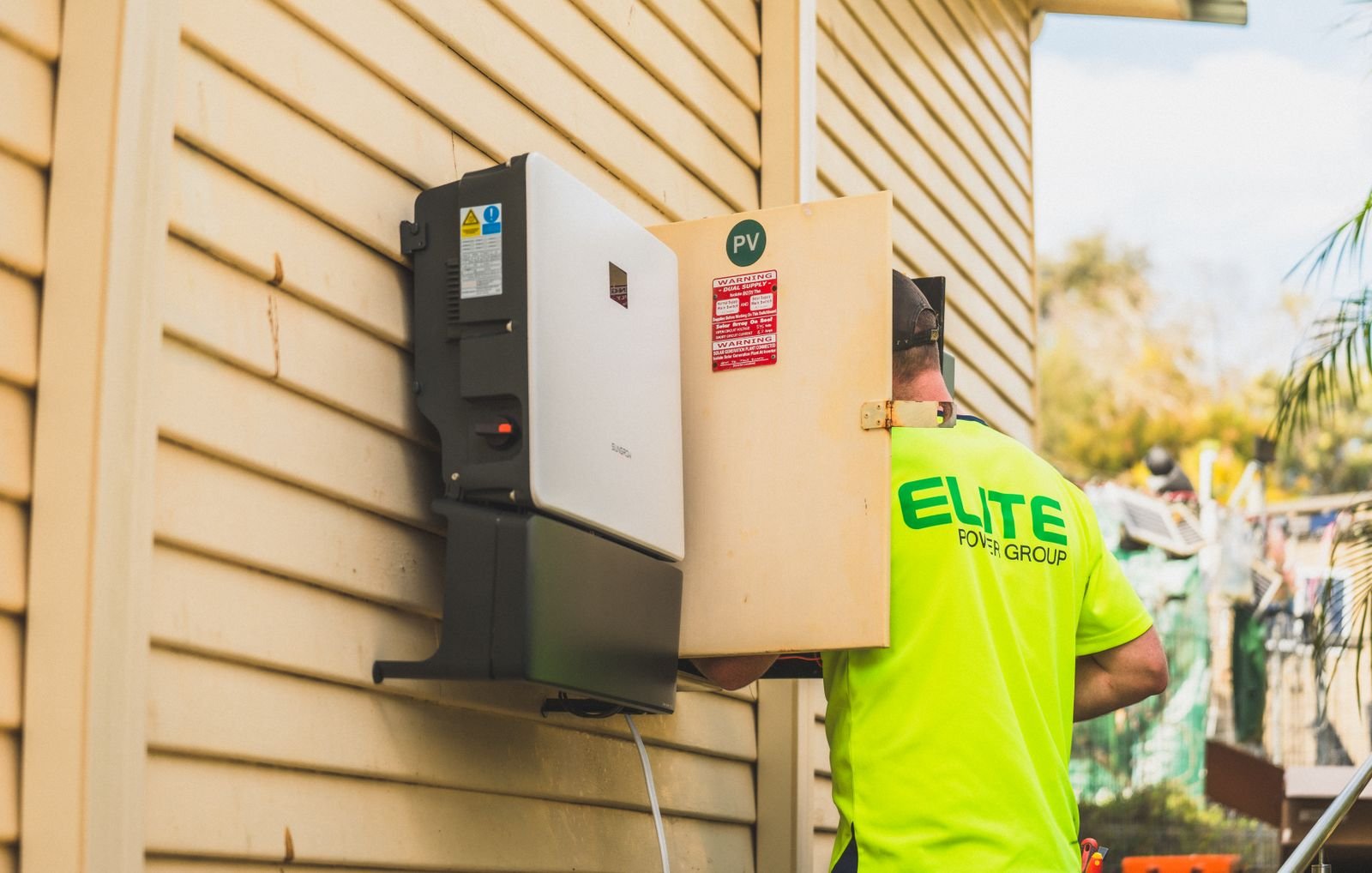
Rooftop heat, warranty, and replacement access
Roof heat is the standard knock against microinverters. Electronics baking under panels all summer should, in theory, age faster. Not everyone buys the size of that effect, though. One installer pushed back on it directly:
The electronics in a car have a more hostile environment than those on the roof…constantly subject to vibration and shocks that the rooftop never sees.
Warranties reflect the design. Enphase microinverters typically carry a 25-year warranty, matching the panels, while many string inverters are warranted for 10 to 12 years, meaning you should plan for at least one replacement over the system’s life. The practical difference is access. Replacing a wall-mounted string inverter is an hour on a ladder in your garage. Replacing a microinverter or optimizer means pulling a panel on the roof, which costs more in labor even when the part itself is covered.
One more wrinkle: some owners note that Enphase warranty service leans on an internet connection and a communications gateway, and that gateway can be the weak link. Keep that in mind if your Wi-Fi at the array is spotty.
Cost differences
String inverters are the budget choice. Microinverters and optimizer systems add cost, both in hardware and in the per-panel install labor. On a typical home system the module-level route often runs a few hundred to a couple thousand dollars more than a plain string inverter, depending on system size. Whether that premium is worth it depends entirely on your roof.
Here’s a simple way to think about it:
- Lean string inverter if your roof faces one direction, gets full sun most of the day, and you’re watching the budget.
- Lean microinverters if you have real shade, multiple roof planes, or you want per-panel monitoring and whole-system redundancy.
- Lean string plus optimizers if you want the shade and monitoring benefits but prefer the conversion electronics at ground level where they’re easy to reach.
- Add just a few optimizers (Tigo) if most of your roof is clean but one corner gets shaded. You pay only for the panels that need help.
Sizing matters too, since a bigger array changes the math on both hardware and labor. Our solar system sizing guide walks through getting the kilowatts right before you argue about inverters.
So which should you pick?
Match the equipment to the roof, not the sales pitch. A clean, single-slope, sunny roof rarely needs module-level electronics, and paying for them there is mostly buying monitoring. A shaded or chopped-up roof is where per-panel MPPT actually pays back, and that’s where microinverters or optimizers make sense. The plain-string crowd is not wrong to like simplicity, and one owner summed up their loyalty in two words:
String Inverters rock
If you’re unsure, ask your installer to model your production both ways for your specific roof, with your actual shade. The numbers, not the brand, should decide it.
Frequently asked questions
Are microinverters better than a string inverter?
Not universally. Microinverters are better for shaded or complex roofs and for per-panel monitoring and redundancy. On a simple, unshaded, single-direction roof, a string inverter costs less and has fewer rooftop parts to fail, so it’s often the smarter buy there.
What’s the difference between power optimizers and microinverters?
Both give each panel its own MPPT and monitoring. A microinverter also converts DC to AC on the roof. An optimizer leaves that conversion to one ground-level string inverter, so the heavy electronics stay off the roof and are easier to reach for service.
Do microinverters really help with shade?
Yes, but the gain is bigger with heavy or moving shade than with light shade. Each panel produces independently, so a shaded panel doesn’t hold back the rest. On a fully sunny roof the shade advantage is small, and a string inverter performs nearly as well.
How long do microinverters and string inverters last?
Enphase microinverters usually carry a 25-year warranty, matching the panels. Many string inverters are warranted 10 to 12 years, so plan for at least one replacement during the system’s life. Replacing a wall-mounted string inverter is far easier than pulling a panel to reach a rooftop unit.
Is a string inverter with optimizers a good compromise?
Often yes. A SolarEdge or Tigo-equipped string setup gives you per-panel MPPT and monitoring while keeping the inverter at ground level. Owners report high satisfaction with this middle path, especially when only part of the roof is shaded.
Trey Linder writes about EVs, home batteries, and rooftop solar for homeowners at Electrified Experts.