 ElectrifiedExperts
Short answer: a DIY home battery can genuinely cost about a third of a professionally installed Powerwall, and real owners are pulling it off right now. A pro Powerwall 3 runs roughly $13,000 to $16,500 installed in 2026, while a self-built LiFePO4 bank can land in the $4,000 to $6,000 range. The catch is that you’re trading that money for real work: permits, code-compliant wiring, warranty headaches, insurance questions, and years of maintenance a pro install hands off to someone else. If you have actual electrical skill, the DIY route is a serious way to spend a lot less. If you don’t, the savings can evaporate fast.
How much can a DIY home battery actually save you?
A DIY home battery typically costs about a third of a professionally installed Powerwall. A Powerwall 3 runs roughly $13,000 to $16,500 installed in 2026, while a self-built LiFePO4 bank using server-rack batteries often lands between $4,000 and $6,000 for similar or greater capacity. The savings are real, but so is the labor and liability you take on.
That Powerwall number comes from a unit with about 13.5 kWh of usable storage and 11.5 kW of continuous output. Source: SmartEnergyUSA. The DIY figures come straight from owners posting their receipts, and the gap is wide enough that it changes the whole conversation.
One important thing changed this year. The 30% federal Residential Clean Energy Credit (IRS Section 25D) for a home battery you own ended December 31, 2025. Source: SolarInsure. In 2026, neither a DIY build nor a pro-installed owned battery qualifies for that federal credit. So this decision is now almost entirely about upfront cost and risk, not tax strategy. Any older forum thread that factors in the credit is out of date, and you should mentally strip it out.
The case for a DIY home battery, in owners’ own words
The price gap is the whole draw, and builders are blunt about it. One California homeowner skipped the pro route entirely and built a system for a fraction of the quote:
“$6,000 Growatt + Vatrer rack battery” instead of a “$16,000 Powerwall,” with their summer bill dropping from “$280” to “under $90.”
Source: The Cool Down. That’s roughly a third of the Powerwall price for a real, working system, and the monthly savings on top of it. It’s the exact math that pushes handy homeowners toward a DIY Powerwall alternative in the first place.
Capacity per dollar is where DIY really pulls ahead. On r/SolarDIY, one builder shared a number that stops people mid-scroll:
“50 kWh for $4.2k shipped,” calling it “for only 4.2k… that’s freaking solid.”
Source: The Cool Down. For context, 50 kWh is roughly three and a half Powerwalls’ worth of storage, at a price under a single Powerwall unit before installation. That’s the kind of ratio that makes a LiFePO4 home battery build hard to argue with on cost alone.
And once you have that much storage, the use cases open up. An off-grid builder described how far a big DIY bank stretches:
“Even charging my dad’s EV when he visits now.”
Source: The Cool Down. When you’re not paying a $2,000 install premium per unit, oversizing the bank gets cheap, and suddenly there’s headroom for loads a right-sized Powerwall setup would never touch.
The honest downsides of a DIY solar battery
Now the other side, because the cheap price tag hides a bill you pay in time, risk, and hassle. A DIY solar battery isn’t a one-weekend project you forget about.
Start with ongoing care. Veterans on SolarPanelTalk warn that a self-built system is a long-term commitment, not a set-and-forget appliance:
DIY hybrid and battery systems mean “years of battery care, feeding and replacement” that grid-tie owners never deal with.
Source: SolarPanelTalk. A pro-installed Powerwall comes with a warranty and a company on the hook. Your DIY bank comes with you on the hook, monitoring cells, balancing, and eventually replacing hardware.
Then there’s warranty coverage on the gear itself. Going DIY can void the protection you’d assume comes with a name-brand unit. One self-installer learned this the hard way:
Tesla told one self-installer it would not honor the warranty on a self-installed unit.
Source: Tesla Motors Club. Manufacturers tie their warranties to certified installers for a reason, and if you do the work yourself, you may be the warranty.
Finally, the physical reality catches people off guard. These aren’t light, tidy boxes. A large DIY bank is freight, and it’s heavy:
A 50 kWh pack weighing around 900 lbs prompted one builder to call it “a monster.”
Source: The Cool Down. Nine hundred pounds means freight shipping, moving equipment, a floor or rack that can hold it, and wall or garage space you’re committing for years. A Powerwall gets bolted up by a crew in an afternoon. Your DIY bank is your logistics problem from the loading dock on.
How to decide between a DIY home battery and a Powerwall
The two sides aren’t really arguing. They’re describing different buyers. Here’s how to figure out which one you are before you spend a dollar.
- Price it honestly first. A DIY server-rack LiFePO4 build using gear from EG4, Growatt, and similar brands can land near a third of a Powerwall’s installed price. That gap is the entire reason to consider it.
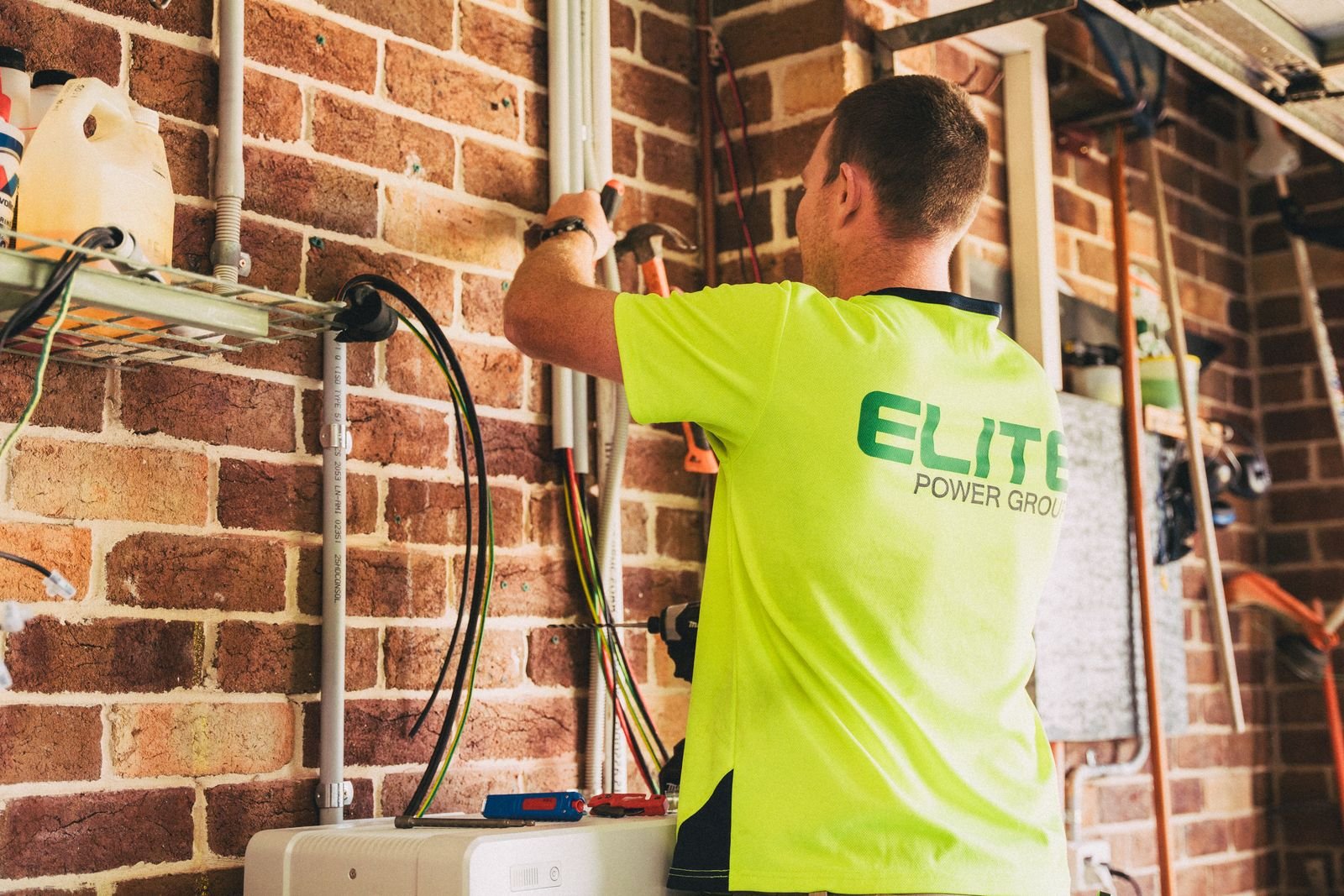
- Be real about your electrical skill. You need genuine ability here: code-compliant wiring, correct fusing and disconnects, and the judgment to know when something’s wrong. This is not a job to learn on with a live battery bank.
- Plan for permits and inspection. A legal install means pulling permits and passing inspection. Skipping that can bite you on resale and on any insurance claim later.
- Check warranty and insurance before you buy. Manufacturer warranties can be void on self-installed gear, and some homeowners insurance policies get complicated with DIY battery systems. Ask your insurer in writing.
- Expect to still hire an electrician for interconnection. Tying into the grid usually requires a licensed electrician and utility approval even if you build the battery bank yourself. Budget for that.
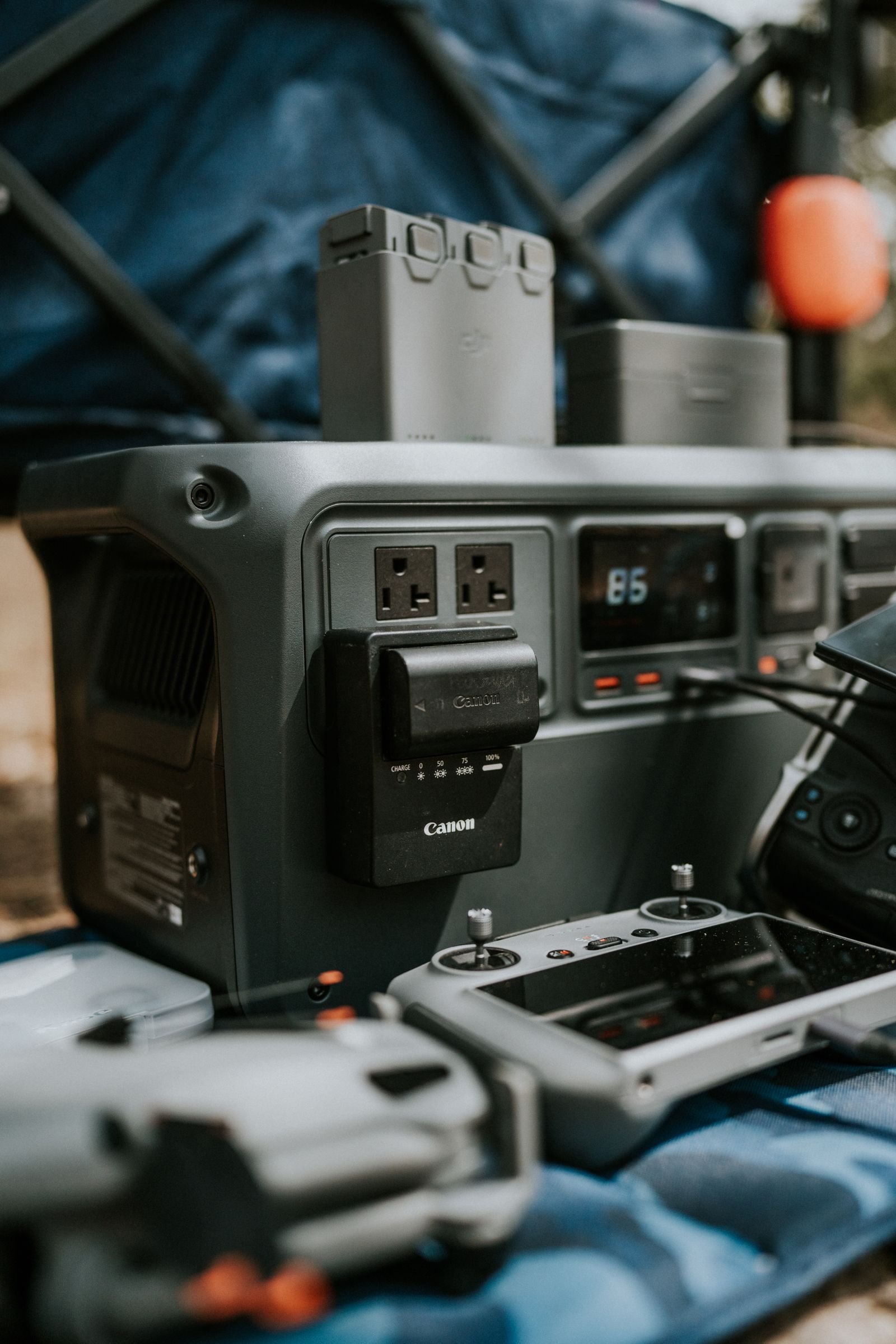
- Consider a portable power station as a middle path. If you rent, or you only need to keep a fridge and a few devices alive, a plug-and-play power station skips the install, the permits, and the risk entirely.
- Match the choice to your local code. Some jurisdictions are strict about self-installed energy storage. Read your local rules before you commit, not after the freight shows up.
If you’ve got the skills and the patience, DIY is a legitimate way to get a cheaper-than-a-Powerwall system that does the same job. If any of the bullets above made you wince, that wince is information. Paying a crew for a warrantied, inspected, insured install is worth a lot when the alternative is 900 pounds of lithium you’re responsible for.
Frequently asked questions
Is a DIY home battery really cheaper than a Powerwall?
Yes, often by a wide margin. Owners report building working LiFePO4 banks for $4,000 to $6,000, versus roughly $13,000 to $16,500 for a professionally installed Powerwall 3. The savings are real, but they come with labor, permitting, and maintenance you take on yourself.
Does a DIY battery void the Tesla warranty?
It can. One self-installer reported that Tesla would not honor the warranty on a self-installed unit. Manufacturers generally tie their coverage to certified installers, so if you build or install it yourself, plan to be your own warranty.
Do I still get a tax credit for a DIY battery in 2026?
No. The 30% federal Residential Clean Energy Credit (Section 25D) for owned home batteries ended December 31, 2025. In 2026, neither a DIY nor a pro-installed owned battery qualifies, so the choice comes down to upfront cost and risk.
Can I install a DIY solar battery legally myself?
Sometimes, but grid interconnection usually still requires a licensed electrician and utility approval, plus permits and inspection. Rules vary a lot by jurisdiction. Check your local code and your insurance policy before you buy any hardware.
The clean way to think about it: if you have real electrical skill and the time to do it right, a DIY LiFePO4 bank saves serious money and owners love the result. If you don’t, the cheaper sticker price is a trap, and a pro Powerwall install (or a simple portable power station) is money well spent.
Trey Linder writes about EVs, home batteries, and rooftop solar for homeowners at Electrified Experts.