 ElectrifiedExperts
Is solar worth it in 2026? It depends on three things: your electricity rate, your sun hours, and your state’s net-metering rules. In a high-rate sunny state, rooftop solar still pays for itself in well under a decade and owners are thrilled. In a cheap-power cloudy region, the math is weak and plenty of owners regret it. What changed this year is the money at the front of the deal. The 30% federal credit for panels you buy outright expired at the end of 2025, so a 2026 cash or loan purchase no longer gets it. That pushes payback out by years, and it makes running your own numbers more important than ever. Here’s the honest math both ways.
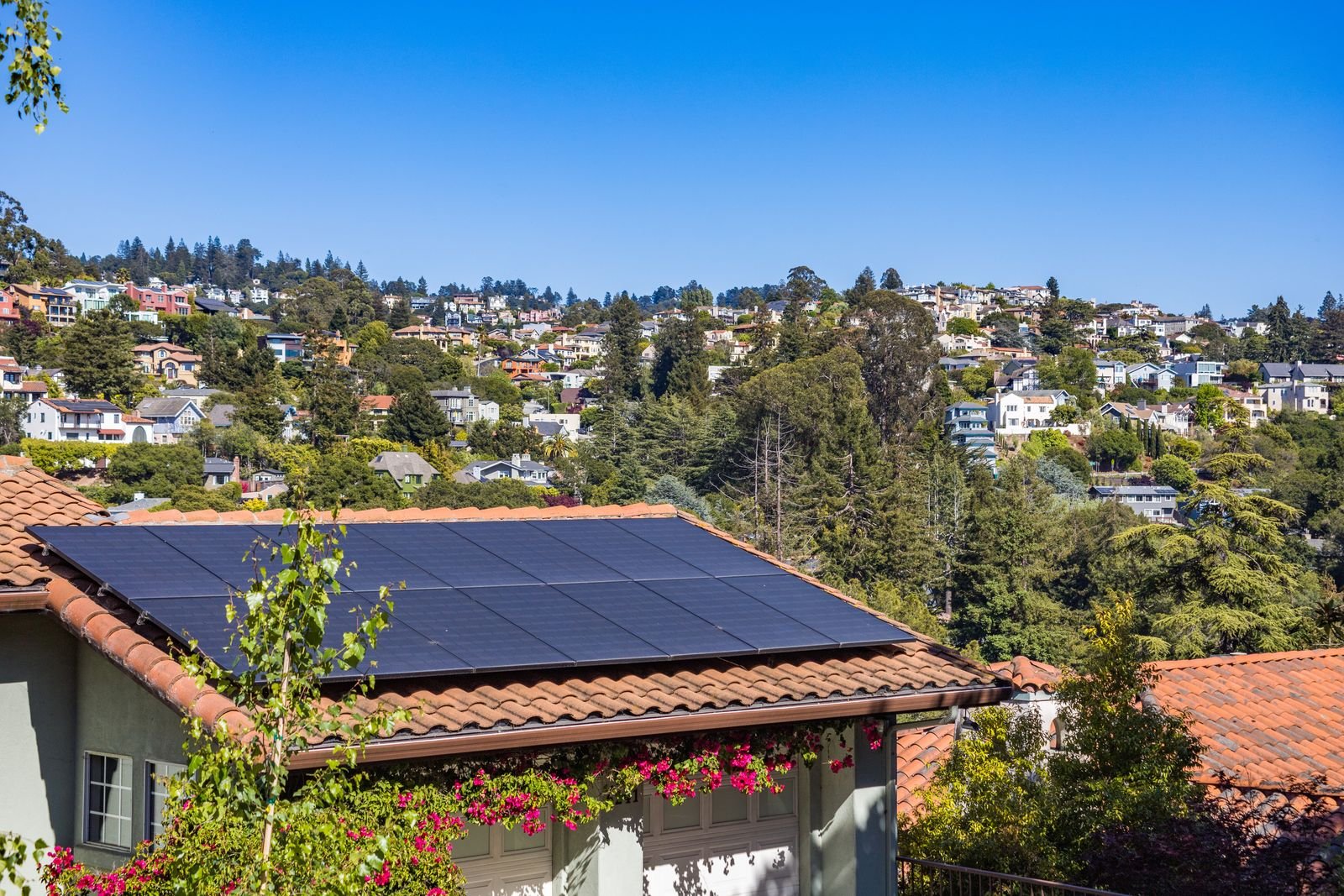
Is solar worth it in 2026 for the average homeowner?
For most people the answer is a qualified yes if you have high electricity rates and decent sun, and a qualified no if you have cheap power and cloudy skies. Solar is a bet on your local rate and your roof, not a universal win. The expired 30% tax credit makes that bet tighter in 2026, so the state you live in decides the outcome more than the panels do.
That’s the whole story in one paragraph, and it’s worth slowing down on because solar gets sold as if it always works. It doesn’t. The exact same panel array is a great buy in Orlando and a bad one in Seattle, and the difference has almost nothing to do with the hardware. It’s your utility rate, your sun hours, and whether your state pays you fairly for the power you send back.
What the expired tax credit does to your solar payback in 2026
The 30% federal Residential Clean Energy Credit (IRS Section 25D) for solar you own outright ended December 31, 2025. The system had to be installed and placed in service by then to qualify. Source: SolarInsure. So if you buy a system with cash or a loan in 2026, roughly a third of the sticker price that earlier buyers got back is gone.
This matters because most of the glowing payback stories you’ll read online baked that credit in. A lot of forum threads from 2023 and 2024 quote a payback number that quietly assumed 30% off. Strip that out and a seven-year payback can stretch toward ten. When you model your own deal in 2026, run it without the 25D credit. Any calculator that still applies it is telling you a number you can’t get.
There is one path that still captures the credit. Leased and power-purchase-agreement (PPA) systems can claim it through the company that owns the panels, under Section 48E, for systems placed in service through the end of 2027. The savings go to the panel owner, not to you directly, though a good installer may pass some of it through as a lower monthly payment. Source: SolarInsure. That’s the one case where a lease can beat buying in 2026, and only if the numbers actually prove it.
Is solar worth it in a cloudy state? The honest case against
Let’s give the skeptics the floor, because in the wrong location they’re right. Solar output tracks sunlight, and no financing trick fixes a gray sky.
A Seattle resident weighing an install put it about as plainly as anyone could:
“when it comes to solar, if it’s not full sunshine, you’re power generation is s***.”
Source: Blind. A Washington owner who already had panels on the roof confirmed the same thing from experience:
“Right now I’m barely getting any power mostly due to cloud and rain though.”
Source: Yahoo. The Pacific Northwest is a hard case for a second reason beyond the weather: much of its power comes from cheap hydro. When your utility rate is already low, the bill you’re trying to erase is small, so even a perfectly sized system saves you less. Cheap power plus few sun hours is the combination that sinks solar ROI.
Then there’s the part nobody’s array can touch: the fixed charges. Owners routinely discover that going solar does not zero out the bill, because utilities still charge for the connection. One PG&E customer who exported plenty of power still owed about $68 in delivery and distribution fees and called it what it felt like:
“effing robbery.”
A Utah owner in the same discussion described a floor you simply can’t get under:
“I pay $80/mo no matter how much solar power I make.”
Source: The Cool Down. Fold a fixed $80 a month into your payback math before you sign anything. It’s real, it recurs, and it’s easy to forget when a salesperson shows you a chart of a $0 bill.
The case for solar, in owners’ own words
Now flip the map. Put the same panels on a roof in a sunny, high-rate state and the story turns around completely.

Central Florida is a textbook strong case: brutal summer air-conditioning loads, high bills, and a lot of sun. One homeowner watched their summer bills fall off a cliff:
“$500”
in peak months dropped to
“$93,”
with a payback under seven years even after the install cost. A commenter on that thread added the line that sums up how most happy owners feel looking back:
“The best time to install solar is 10 years ago; the second-best time is today.”
Source: The Cool Down. Some states go further and pay you to generate. New Jersey, Massachusetts, and Maryland run Solar Renewable Energy Certificate (SREC) programs that hand you cash on top of the power you offset. A New Jersey owner described stacking both:
“I also get paid by the state for generating electricity. It comes about $800-900 per year,”
on top of a monthly bill of just
“$2.31.”
Source: The Cool Down. And the fastest paybacks tend to come from owners who cut the biggest cost line, the installer’s labor and markup. One DIY owner reported numbers that sound impossible until you remember they skipped the middleman:
“I experienced a 5-year payback and am saving $4,500 [per year] currently.”
Source: The Cool Down. Same technology the Seattle skeptic dismissed. Different sun, different rate, different answer.
How to judge whether solar is worth it for your house
The two sides aren’t arguing. They’re describing different roofs in different states. Here’s how to figure out which one is yours before you spend a dollar.
- Start with the three variables that decide everything. Your electricity rate, your sun hours, and your state’s net-metering policy. High rate plus good sun plus fair export credit means yes. Cheap power plus clouds means probably no.
- Know which column your state is in. Strong: sunny high-rate states like Florida, SREC states like New Jersey, Massachusetts, and Maryland, and California if you add a battery under NEM 3.0. Weak: cheap-power cloudy regions like the hydro-fed Pacific Northwest.
- Run your payback without the 25D credit. If you buy in 2026, the 30% is gone. Rebuild any estimate you find online with that discount removed.
- Get at least three quotes and compare dollars per watt. That single number cuts through the sales pitch faster than anything else. Wide spreads are common, so shop hard.
- Include the fixed charges in your math. A connection or minimum-delivery fee of $60 to $80 a month never goes away, no matter how much you generate.
- Size for your future, not just today. If an EV or a heat pump is likely in the next few years, build in the extra capacity now while the crew and permit are already there.
- Own if you can. Owned systems beat leases at resale and give you the full savings. Consider a lease or PPA only if the monthly cost truly comes in under what you pay the utility now.
In California specifically, the net-metering rule changed the recipe. NEM 3.0 cut export credits by roughly 75% compared to the old NEM 2.0. Source: NerdWallet. That’s why a battery is now usually part of a California solar deal: it lets you store your own power for the evening instead of selling it back for pennies. If you’re weighing that add-on, our guide on whether home batteries are worth it runs the same honest math.
Frequently asked questions
Are solar panels still worth it after the tax credit ended?
In a high-rate sunny state, yes, even without the credit, because the bill savings are large enough to carry the payback. In a cheap-power cloudy state, losing the 30% often pushes payback past the point where it makes sense. Model your own case without the 25D credit before deciding.
What’s a realistic solar payback in 2026?
It varies by state. Florida owners report sub-seven-year paybacks and DIY owners as low as five years. In cheap-power regions, high fixed utility charges and low rates can stretch payback well past a decade. Your rate and sun hours set the number, not the panels.
Is solar worth it in a cloudy state like Washington?
Usually not on money alone. The Pacific Northwest combines few sun hours with cheap hydro power, so the bill you’re erasing is small to begin with. Owners there report barely generating during cloudy, rainy stretches.
Can I still get the solar tax credit with a lease or PPA?
The panel-owning company can, under Section 48E, for systems placed in service through 2027. The credit goes to them, not to you directly, though it may show up as a lower monthly payment. Only choose a lease or PPA if it truly costs less than your current utility bill.
The clean way to decide: pull your latest electric bill, find your rate per kilowatt-hour, check your state’s net-metering rules, and get three quotes priced without the 25D credit. If you’re in Florida, an SREC state, or California with a battery, solar in 2026 is very likely worth it. If you’re in a cheap-power, cloudy region, keep your money and revisit when your rates climb.
Trey Linder writes about EVs, home batteries, and rooftop solar for homeowners at Electrified Experts.