 ElectrifiedExperts
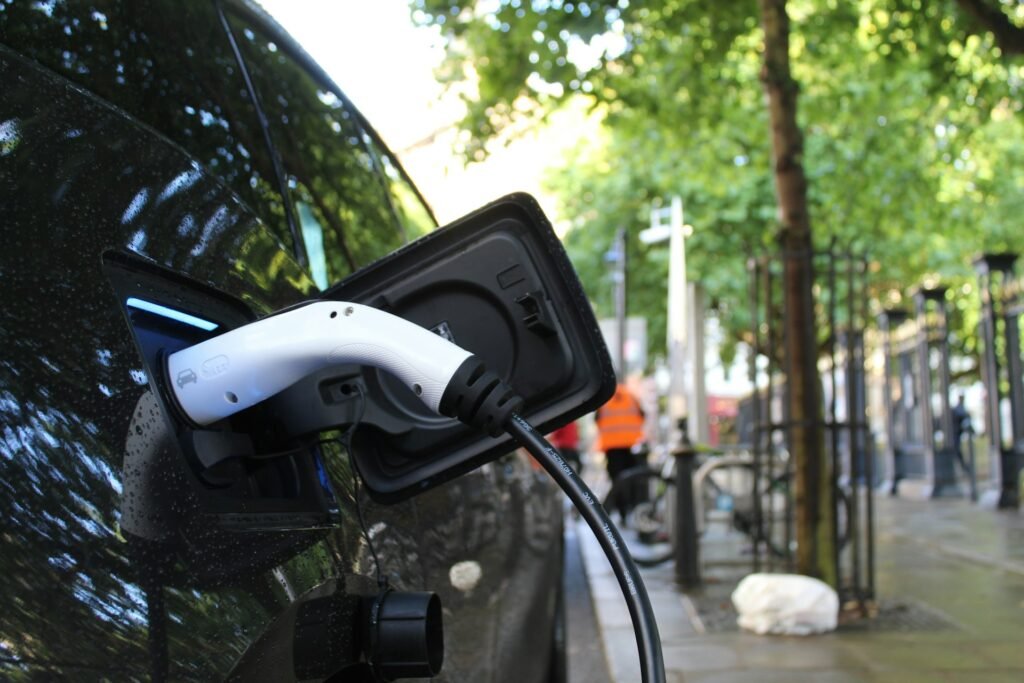
The NACS vs CCS fight is over, and NACS won. Tesla’s connector, now standardized as SAE J3400, is the de facto plug for new EVs sold in North America. If you’re shopping for a car in 2026, this is the single biggest thing that changed under the hood of the charging world in the last two years.
Here’s the plain-English version. CCS (Combined Charging System) is the fat, two-tier plug most non-Tesla EVs shipped with through 2024. NACS (North American Charging Standard) is the slim connector Tesla has used for years. Nearly every major automaker has committed to NACS, native ports are landing on 2025 and 2026 models, and existing CCS cars are getting adapters so they can pull from Tesla’s Supercharger network.
It matters because the connector on your car decides where you can charge, how fast, and whether you’re carrying a dongle in the frunk. The transition is real, it’s messy in spots, and it changes how you should think about your next EV.
The short version
- NACS (SAE J3400) is the new North American standard. CCS lost, but it’s not gone.
- Most 2026 EVs either ship with a native NACS port or come with a free adapter to reach Superchargers.
- Stellantis (Jeep, Dodge, Ram) is the last major holdout, adopting NACS starting in 2026.
- Tesla’s Supercharger network is the whole reason the industry flipped: better uptime, better coverage.
- Adapters exist in both directions, so a NACS car can still use a CCS station and vice versa.
- Buying in 2026? A native NACS port is nice, but a CCS car with adapter support is still a smart buy.
What NACS and CCS actually are
Both connectors do the same job: move AC power for home and Level 2 charging, and high-voltage DC for fast charging. The difference is how they package it.
CCS: the two-part plug
CCS1, the North American version, stacks a J1772 AC connector on top of two big DC pins. That’s why it looks like a plug with a second plug bolted underneath. It works, and it’s been the backbone of non-Tesla fast charging for years. But it’s bulky, the handle is heavy, and the design splits AC and DC duties across a large footprint.
NACS: one connector, both jobs
NACS runs AC and DC through the same pins in a much smaller housing. The plug is lighter, easier to handle one-handed, and the port on the car is more compact. Tesla opened the design, SAE standardized it as J3400, and that gave the rest of the industry a spec they could build to without depending on Tesla’s goodwill.
Why the industry flipped to NACS
This wasn’t about the plug being prettier. It was about the network behind it.
- Uptime. Superchargers reliably work. Third-party CCS networks earned a reputation for dead stalls, broken screens, and failed handshakes. Ford’s move in 2023 was the domino, and once one big name signed, holding out got expensive.
- Coverage. Tesla built out corridors that other networks never matched, especially on long highway routes.
- Cost and simplicity. A smaller connector is cheaper to build and lighter to hold. Standardizing on one plug simplifies manufacturing and cuts adapter clutter over time.
The list of committed brands is long: Ford, GM, Rivian, Hyundai, Kia, Genesis, Honda, Acura, Nissan, Toyota, Lexus, Subaru, Mercedes, BMW, Volkswagen, Volvo, Polestar, and more. Stellantis, the parent of Jeep, Dodge, Ram, and Chrysler, was the last major holdout and is coming aboard from 2026.
Native ports vs adapters: who’s got what
This is where 2026 buyers need to pay attention, because “supports NACS” means two different things depending on the car.
Native NACS port
The car has the Tesla-style port built in. Plug straight into a Supercharger, no dongle. Rivian shifted its R1 lineup to native NACS, Ford’s newer builds and the next-gen models are moving to native ports, GM’s 2025-2026 rollout adds native ports across Ultium models, and Hyundai, Kia, and Genesis have native-port versions arriving on updated model years. If a car has a native port, it can still use CCS stations with a NACS-to-CCS adapter.
CCS port plus adapter
Plenty of 2023-2024 cars, and some still selling in 2026, keep a CCS port and rely on a NACS adapter to reach Superchargers. Ford, GM, Rivian, and others shipped free adapters to existing owners. The adapter works fine, but it’s one more thing to carry, store, and not lose.
Quick guidance
- Ask the dealer specifically: native NACS port, or CCS with adapter?
- If it’s adapter-based, confirm the adapter is included and confirm your car’s software supports Supercharging.
- Check your car’s peak DC rate. The plug doesn’t raise your charge speed; the car and the stall do.
How Supercharger access works for non-Teslas
Getting a non-Tesla onto a Supercharger isn’t automatic. A few real-world wrinkles matter.
- App and account. Most non-Teslas start a session through the Tesla app or the automaker’s own app, not by tapping a card. Set this up before you’re stranded at 8% on a road trip.
- Cable length. Older Superchargers were built short-cabled for Teslas, whose ports sit on the rear driver’s side. A car with the port somewhere else may need to park across two stalls to reach.
- V4 and Magic Dock. Newer V4 stalls have longer cables and better clearance. Magic Dock sites include a built-in CCS adapter for cars without their own. These are the friendliest sites for non-Teslas.
- Charge rate. Some 800-volt cars, like certain Hyundai and Kia models, may charge slower on older 400-volt Superchargers than at a native high-power CCS station. Know your car.
Is CCS dead?
No, and don’t let anyone tell you it is. Tens of thousands of CCS stations are still up and running across the continent, including Electrify America, EVgo, and countless retail and workplace chargers. They’re not being ripped out. They’ll keep working for years.
- New station builds increasingly add NACS connectors, and many go dual-standard with both plugs on the same unit.
- Networks like EVgo and Electrify America have been adding NACS cables rather than abandoning CCS.
- If you own a CCS car, your charging life doesn’t end. You gain Superchargers via adapter; you keep everything you already had.
CCS is the format that’s fading, not failing. Think of it like a port that’s no longer the default but stays useful for a long tail of years.
Adapters go both directions
The adapter situation is genuinely two-way, which trips people up.
- NACS-to-CCS lets a car with a native NACS port plug into legacy CCS stations. Native-port owners want one of these in the trunk.
- CCS-to-NACS lets a CCS car reach Superchargers. This is the one automakers handed out free to existing owners.
- Buy quality. A DC fast-charging adapter carries serious current. Use the automaker-supplied unit or a reputable brand. Bargain-bin adapters aren’t worth the risk near a 250-plus-kW handshake.
| Factor | NACS (J3400) | CCS1 |
|---|---|---|
| Size & ergonomics | Smaller, lighter, easy one-handed | Bulky two-tier plug, heavy handle |
| AC + DC handling | Both through one set of pins | Both, but split across a larger connector |
| Supercharger access | Native, plug-and-charge on V4 | Adapter required |
| Station availability today | Growing fast, now the default | Still the largest installed base |
| Adapter needs | None at Superchargers; adapter for legacy CCS | Needs adapter to reach Superchargers |
Pro tip
Before any road trip, set up your Supercharger access in the Tesla app or your automaker’s app at home, and confirm the specific sites on your route are V4 or Magic Dock if your charge port isn’t rear driver’s side. Ten minutes of setup beats hunting for a stall you can actually reach.
What this means if you’re buying an EV in 2026
The plug question shouldn’t make or break your purchase, but it should shape how you shop. A native NACS port is the cleaner long-term setup, no adapter to carry and the smoothest Supercharger experience. If two trims are otherwise equal and one has a native port, take the native port.
That said, don’t reject a great CCS car over the connector. With a free adapter and software support, a 2024 or 2025 CCS model still charges everywhere, Superchargers included. The real questions are the ones that were always true: what’s the car’s peak DC rate, is it 400-volt or 800-volt, and does the automaker actually support Supercharging on your specific model? Get those answers in writing before you sign.
The bottom line
NACS won, and that’s good for buyers. One dominant plug backed by the most reliable fast-charging network in North America means fewer dead stalls and less range anxiety on the interstate. New cars are moving to native ports, older cars get adapters, and CCS stations keep humming in the background.
Buying in 2026, prioritize the car first and the connector second. Prefer a native NACS port when you can get one, confirm adapter support and charge rate when you can’t, and set up your Supercharger app before you need it. Do that and the whole NACS vs CCS drama becomes a non-issue on the day you actually plug in.
Frequently asked questions
Is NACS the same as Tesla’s connector?
Yes. NACS is Tesla’s connector, opened up and standardized by SAE as J3400 so any automaker or charging network can build to it. That standardization is why the whole industry could commit to it without depending on Tesla directly.
Do I need an adapter to use a Supercharger?
Only if your car has a CCS port. Cars with a native NACS port plug straight in. CCS cars use a CCS-to-NACS adapter, which many automakers provided free to existing owners. Either way, you’ll typically start the session through the Tesla app or your automaker’s app.
Are my old CCS charging stations going away?
No. Tens of thousands of CCS stations remain in service and keep working. Networks like Electrify America and EVgo are adding NACS cables rather than removing CCS. CCS is fading as the default, not disappearing.
Which automaker is the last to adopt NACS?
Stellantis, the parent of Jeep, Dodge, Ram, and Chrysler, is the last major holdout and is adopting NACS starting in 2026. Nearly every other major brand committed earlier, with native ports rolling out across 2025 and 2026 models.
Will an adapter slow down my charging speed?
A quality automaker-supplied adapter doesn’t meaningfully cap your speed. Your real limits are the car’s peak DC rate and the stall itself. Note that some 800-volt cars may charge slower on older 400-volt Superchargers than at a high-power CCS station, adapter or not.