 ElectrifiedExperts
Here’s the short version. Virtual power plant payments almost never work the way people expect. Most programs do not pay you per kWh your battery discharges. They pay based on the average kilowatts (kW) you supply across every event in a season. That one distinction is the difference between the fantasy number people calculate and the real check they get in the mail. Real payouts range widely, from a few hundred dollars a year to a couple thousand, depending on your utility, your state, and how many batteries you have. Let’s run the actual math and set honest expectations.

How do virtual power plant payments actually work?
A virtual power plant pays you for the average kilowatts your battery delivers across all called events in a program season, not for total energy discharged. So a program’s headline rate is applied to your average kW contribution, multiplied by the number of hours and events. Confusing kW (power) with kWh (energy) is the single biggest reason people badly overestimate what they will earn.
Think of it this way. A kilowatt is a rate, like miles per hour. A kilowatt-hour is a quantity, like miles traveled. VPP programs that pay on average kW are paying you for showing up with capacity when the grid needs it, averaged over the season. They are not buying every unit of energy you push out. Once that clicks, the whole picture changes.
The mistake almost everyone makes with a Powerwall VPP
Nothing illustrates this better than a Massachusetts ConnectedSolutions owner who did the math the wrong way and expected a payout of $5,720. When they posted the number, a more experienced owner set them straight:
“Not at all how it works. kw is not kwh. They do not pay based on energy discharged, they pay based on the average KW you supply across all time for all events.” (source, The Cool Down)
That is the whole misunderstanding in three sentences. The owner had multiplied a per-kWh rate by all the energy they thought they could dump to the grid and landed on a number roughly triple what these programs realistically pay in Massachusetts. A veteran in the same discussion shared what the check actually looks like over the long run:
“I’ve consistently received $2k a year the three years I’ve been in.” (source, The Cool Down)
Two thousand a year is a genuinely good ConnectedSolutions result, and it is nowhere near $5,720. That gap, between the imagined payout and the real one, is what trips up almost every new battery owner looking at VPP income for the first time.
There’s a second catch that has nothing to do with the math. These programs are a geographic lottery. As one write-up on Powerwall incentives put it plainly, the VPP program “isn’t available everywhere.” Source: The Cool Down. You can buy the exact same battery your neighbor two states over is earning from and have no program to enroll in at all.
The cons, in one place
- Most programs pay on average kW across events, not per kWh discharged, so the intuitive math overshoots badly.
- Payouts vary widely by utility and state, and there’s no single national rate to plan around.
- VPP programs simply aren’t offered in many areas, so availability is a coin flip based on where you live.
- Events pull energy out of your battery, which can leave you with less backup right when you might want it.
- Every event adds a cycle to the battery, so you’re trading a little long-term wear for the payment.
What do real Tesla VPP payouts look like?
Now the encouraging side. When the program fits your utility and you set your battery up well, the checks are real and owners are happy to share them. In California, PG&E customers in Tesla’s virtual power plant have posted their season totals, and they tell a consistent story. One owner wrote:
“Just got my payout last week. $497, 27 hours, 19 events.” (source, The Cool Down)
Notice the shape of that number. Nineteen events, 27 hours total, and a payout just under $500 for a single battery. Another owner with three Powerwalls, and therefore more capacity to offer, landed higher:
“$690 for 3 [Powerwalls], better than I expected.” (source, The Cool Down)
A third chimed in with a number right in the same range for what looks like a similar setup:
“I just got mine today too: $511.25.” (source, The Cool Down)
What makes these payouts pencil out so well is the spread between what these owners pay for power and what they get for sending it back during an event. One PG&E owner summed up the arbitrage:
“I pay from .33-53¢ a kWh and sell for $2 a kWh.” (source, The Cool Down)
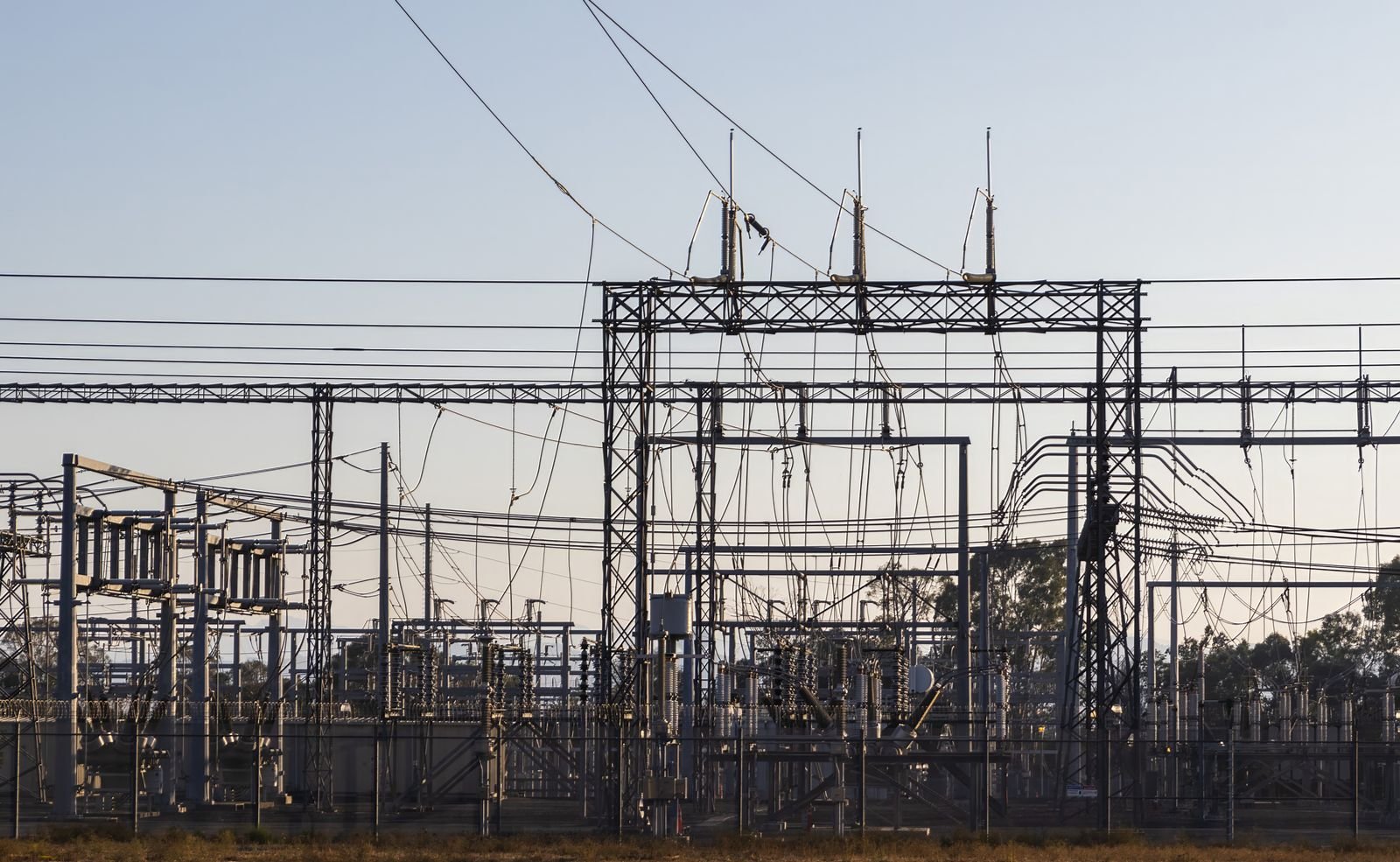
Buy low, sell high. That is why owners chase output during events. The more kW your system can push while the event is live, the bigger your average contribution and the bigger your check. One owner reported driving output to roughly $40 an hour during events because, as they explained, “the Powerwalls can deliver close to 20 kW.” Source: The Cool Down. Stack enough capacity and enough events, and the season adds up.
Do all VPP programs pay $2 per kWh? No, and this is important
That $2 per kWh number is real, but it is not normal. It comes from California’s Emergency Load Reduction Program (ELRP), a program designed to pay a premium when the grid is genuinely in trouble on the hottest days. It is an emergency rate, not a standard one. Treating it as what any VPP pays anywhere is how people end up disappointed.
Most programs pay a fraction of that headline California number, and the structure differs by utility and state. ConnectedSolutions in Massachusetts and Connecticut pays on your average summer kW performance. Texas programs work differently again. The $2 per kWh figure is the ceiling in an unusual market, not the going rate. If you are estimating income for your own home, do not start from someone else’s emergency-program screenshot.
Is a Powerwall VPP worth it? How to think about the income
So is a Powerwall VPP worth it? As a bonus on top of a battery you were buying anyway, usually yes. As the reason to buy the battery, almost never. Here is a realistic way to size up VPP income before you count on a dollar of it:
- Find out whether your program pays on average kW or on kWh before you estimate anything. This one fact determines whether your math is roughly right or triple the reality.
- Check what your utility actually offers. Look at PG&E and California’s ELRP, ConnectedSolutions in Massachusetts and Connecticut, the various Texas programs, and whatever your local utility runs. Availability is the first gate, not the rate.
- Keep a backup reserve set aside. Don’t let events drain your battery so low that you’re caught empty right before a storm or outage. Set a reserve floor you’re comfortable with.
- Treat VPP money as a bonus, not the reason to buy. Build your battery decision on backup and bill savings first. Let grid-service income be the cherry on top.
- Expect a realistic range. Plan on anywhere from a few hundred dollars to a couple thousand a year, depending on the program and how many batteries you run. One battery in a modest program earns near the bottom of that range; several batteries in a strong program earn near the top.
- Factor in extra battery cycling. Every event you participate in is another cycle on the pack. It’s a small cost, but it’s real, and it belongs in your accounting.
If you’re still deciding whether a battery makes sense in the first place, start with our honest breakdown of whether home batteries are worth it. It’s also worth reading up on the common home battery problems owners run into before you commit. And if you’re leaning toward multiple units to boost both backup and VPP output, our guide to how many Powerwalls you need will help you size it right.
Frequently asked questions
Do VPP programs pay per kWh discharged?
Most do not. The common structure pays on the average kW you supply across all called events in a season, not on total energy discharged. Confusing kW with kWh is the number one reason owners overestimate their payout, sometimes by two or three times.
How much do VPP programs pay per year?
It ranges widely. Real owner reports run from around $500 for a single battery in PG&E’s program to about $2,000 a year for a well-set-up ConnectedSolutions participant. Your utility, your state, and the number of batteries you run all move the number.
Is a Powerwall VPP worth it?
As extra income on a battery you were already buying for backup or bill savings, it usually is. As the sole reason to buy a battery, it usually isn’t. Treat VPP payments as a bonus and let backup and self-consumption drive the purchase decision.
Why do some owners get paid $2 per kWh?
That rate comes from California’s Emergency Load Reduction Program, which pays a premium during genuine grid emergencies. It’s an emergency rate, not the norm. Most programs in most states pay a fraction of it, so don’t plan your income around that figure.
Will a VPP drain my battery in an outage?
It can, if you don’t set a reserve. Events pull energy from your battery, so keep a backup floor set aside for storms and outages. Most battery apps let you reserve a percentage that events won’t touch.
Trey Linder writes about EVs, home batteries, and rooftop solar for homeowners at Electrified Experts.