 ElectrifiedExperts
Will a home battery run my AC during an outage? Yes, in most cases, as long as the battery’s inverter can deliver enough continuous power and you have enough stored energy to feed a hungry compressor. A Tesla Powerwall 3, for example, puts out about 11.5 kW continuous, which covers most residential central AC units when the rest of the house load is managed. The catch is that AC is the single biggest thing standing between you and a comfortable blackout. It drives your runtime, and its startup surge is what makes people nervous. Both problems are solvable.
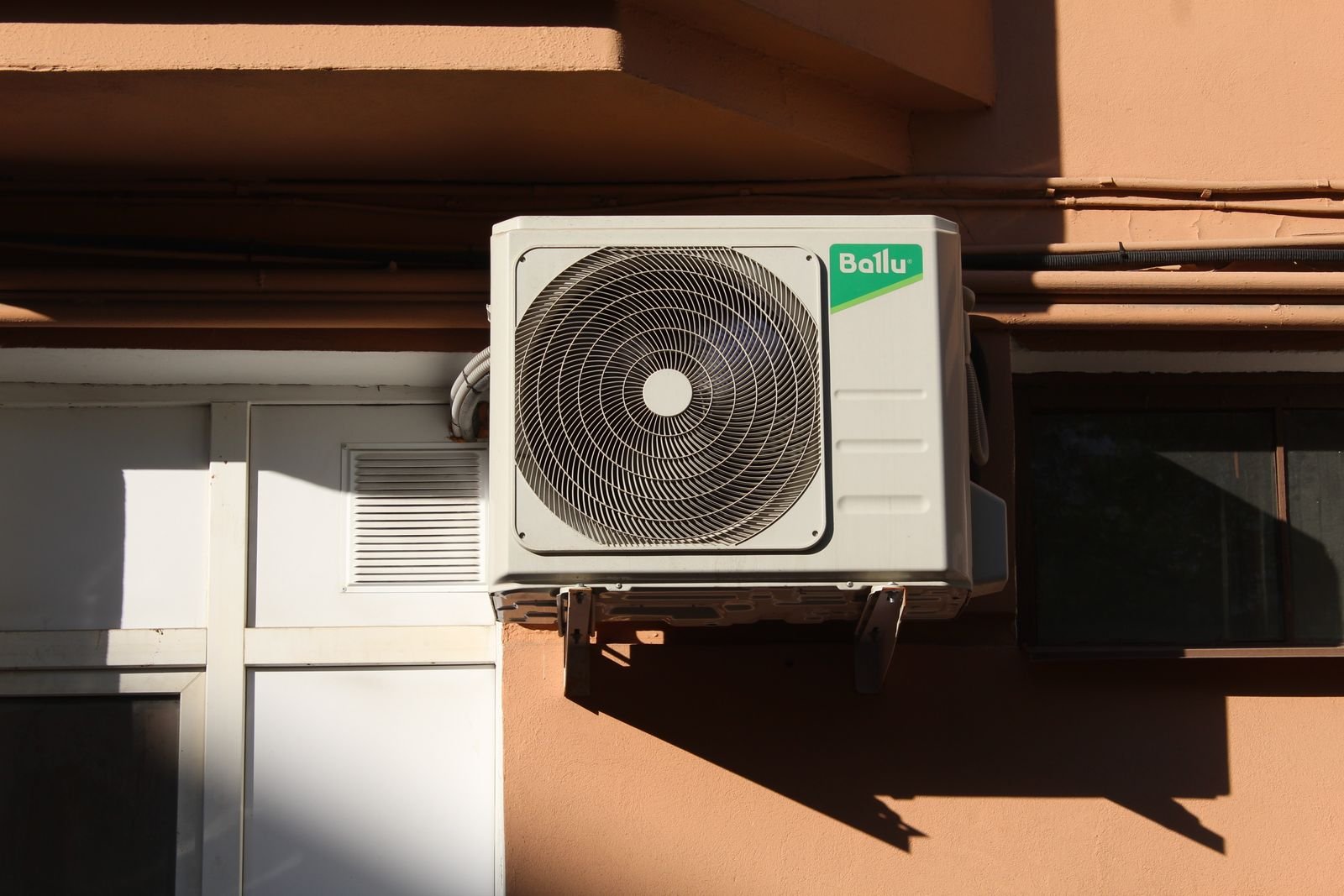
Can a Powerwall run air conditioning at all?
Yes. A single Powerwall 3 delivers roughly 11.5 kW of continuous output and about 13.5 kWh of usable storage, per SmartEnergyUSA. Most central AC systems in a typical home draw somewhere in the range of 3 to 6 kW while running, so the running load itself is not the hard part. If you keep other big draws in check, one modern battery can carry central air. The harder questions are how long it lasts, and whether the unit can even start on battery power.
That second question trips people up, so it’s worth getting the electricity right before we talk about real owners.
Running watts vs. the startup surge (locked-rotor amps)
An air conditioner has two very different power numbers, and confusing them is where most of the surge anxiety comes from.
The first is running watts, the steady draw once the compressor is spinning. This is the modest number, often 3 to 6 kW for central air. The second is the startup surge, the brief spike when the compressor motor first kicks on. On the nameplate you’ll see this listed as LRA, or locked-rotor amps, and it can be three to seven times the running current for a fraction of a second.
That surge is the moment of truth. A battery inverter has to swallow that spike without tripping or sagging, even though the average draw afterward is easy. Here’s the practical breakdown:
- Running watts determine whether the inverter can carry the AC continuously. Compare this against the battery’s continuous kW rating (about 11.5 kW for a Powerwall 3).
- Locked-rotor amps (LRA) determine whether the AC can start at all on battery. This is a momentary spike, not a sustained load.
- Battery kWh determines how long the AC keeps running before the battery empties. This is your runtime number, and AC eats into it faster than almost anything else.
Once you separate those three, “will a home battery run my AC” stops being one scary question and becomes three answerable ones.
Real owners running AC on battery during an outage
This isn’t theoretical. Owners across different brands report keeping central air and mini-splits alive through long blackouts, and their stories tell you what’s realistic.
A FranklinWH owner on PG&E, who lost grid power during a blackout, described a near-ideal setup where solar and battery worked together:
“I was able to run my AC the whole time while watching both my NEM2 PV and new Enphase PV charge the batteries to power the house.” (FranklinWH owner, via The Cool Down)
That last part is the key. With enough solar feeding the batteries during the day, the AC can run without steadily draining the pack, because the sun is refilling it while the compressor works. Daytime is exactly when you want AC and exactly when solar produces most, which lines up nicely.
You don’t need a giant central system to ride out a long outage, either. An EcoFlow owner made it through an 11-hour blackout running a real spread of appliances:
rode out an 11-hour outage running a fridge, WiFi, lights, AC (cycled by battery percentage), a microwave, and a coffee maker, and ended the night at 27% battery. (EcoFlow owner, via The Cool Down)
Notice the phrase “cycled by battery percentage.” That owner didn’t run AC flat-out the whole time. They let it run, watched the battery level, and eased off when the number dropped. That single habit is often the difference between a comfortable night and a dead battery at 3 a.m.

The catch: big loads flatten batteries fast
Here’s the honest downside. AC is a heavy, repeating load, and a home that runs a lot of it can empty even a serious battery bank faster than the owner expects. One homeowner with very high daily energy use learned this the hard way in a long outage:
a home on very high daily use saw its battery hit about 5% and shut down in a long outage. (Powerwall 3 owner, via The Cool Down)
That’s not a knock on the battery. It’s a lesson about matching storage to how much you actually use. If your house pulls a big daily load in July heat and you try to power everything at once, one battery won’t carry you through a multi-day event. The runtime math is simple and unforgiving: your usable kWh divided by your average draw is roughly your hours. Run more, last less.
So the real answer to “will a home battery run whole house AC” depends less on whether it can and more on how you set it up and how you behave during the outage.
How to make AC work on battery backup
This is the payoff. If you want reliable air conditioning during a blackout, here’s how owners and installers actually make it happen.
- Find your AC’s running watts and startup surge. Read the nameplate on the condenser for running amps and LRA (locked-rotor amps). Those two numbers tell you whether your battery can carry it and start it.
- Confirm the battery’s continuous kW covers the running load. A Powerwall 3 handles about 11.5 kW continuous, which covers most single central AC units with room for a fridge and lights. Stack a second battery if your continuous load is higher.
- Add a soft starter to the compressor. A soft starter cuts the startup surge dramatically, so the LRA spike no longer threatens to trip the inverter. It’s one of the cheapest, highest-value additions for AC on battery.
- Put central AC on the backup circuits only if you have the capacity. Don’t force a big compressor onto a critical-loads panel that can’t handle its surge. Size the backup for it deliberately, or leave it off backup and use a smaller cooling source.
- Pair the battery with solar. Daytime sun recharges the pack while the AC runs, which is exactly what the FranklinWH owner above described. Solar turns a fixed runtime into a rolling one during daylight.
- Cycle AC by battery percentage. Let it run, watch the state of charge, and ease off overnight when there’s no sun to refill. This is how the EcoFlow owner stretched an 11-hour outage and still had 27% left.
- Consider an efficient mini-split or heat pump. Modern inverter-driven mini-splits sip far less power than an older central system, so they’re much gentler on a battery and often start with almost no surge.
- Choose whole-home vs. critical-loads backup on purpose. Whole-home backup is convenient but risks draining fast under heavy AC. Critical-loads backup protects the essentials and makes your battery last longer. Decide which one fits your house before install day, not during the outage.
Do most of these and central AC on battery goes from a gamble to a routine. The owners who get burned are usually the ones who skipped the surge math or tried to power an entire hot house on a single battery with no solar and no plan to cycle it.
FAQ
Can a Powerwall run air conditioning by itself?
Usually yes. A Powerwall 3 delivers about 11.5 kW continuous, enough for most single central AC units when other big loads are managed. Adding a soft starter helps the compressor start cleanly, and pairing with solar extends how long you can run it.
How long will a home battery run my AC?
Divide the battery’s usable kWh by your AC’s running draw for a rough hours figure. A 13.5 kWh battery feeding a 3 kW AC lasts a few hours if AC is the only load. Cycling the AC by battery percentage and adding solar stretches that considerably.
Do I need a soft starter for AC on battery backup?
Not always, but it helps a lot. A soft starter slashes the compressor’s startup surge (locked-rotor amps), which is the moment most likely to trip a battery inverter. It’s an inexpensive add that makes AC far more reliable on backup.
Should I put my whole house or just critical loads on battery?
Critical-loads backup makes a battery last longer and is easier to size. Whole-home backup is more convenient but drains fast under heavy AC. If cooling matters most to you, plan the backup around the AC’s surge and running load deliberately.
Will a home battery run the whole house during an outage?
It can, if the inverter’s continuous kW covers your combined load and you have enough kWh for the duration. Heavy AC use is the main thing that flattens batteries early, so most owners either add solar, add a second battery, or run cooling in cycles.
Trey Linder writes about EVs, home batteries, and rooftop solar for homeowners at Electrified Experts.