 ElectrifiedExperts
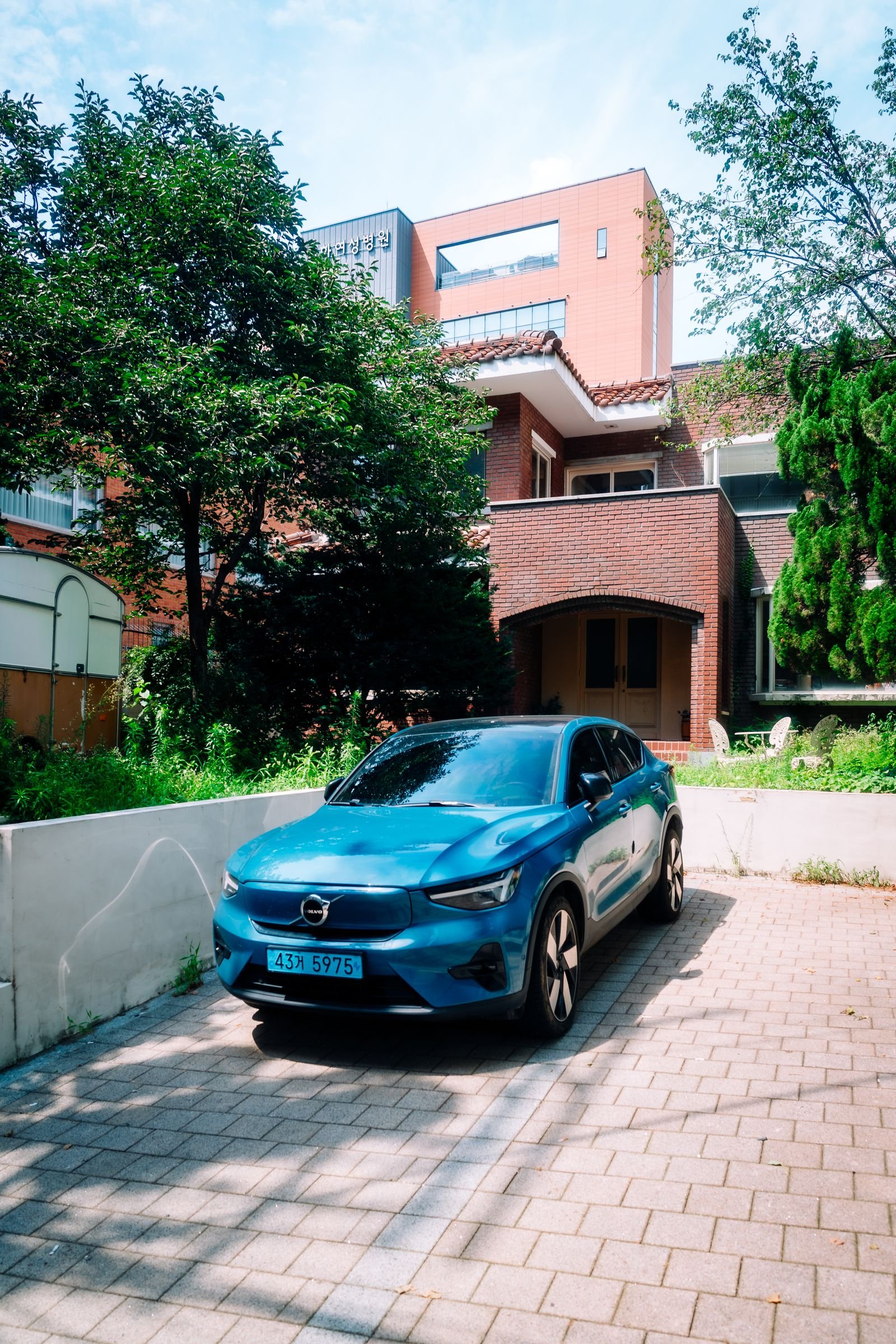
Can an EV power your house in an outage? For a growing number of models, yes, and owners are already doing it. There are two versions of this. The simple one is V2L (vehicle-to-load), where you plug appliances straight into outlets on the car. The bigger one is V2H (vehicle-to-home), where the truck feeds your electrical panel and runs the house like a generator. A Ford F-150 Lightning, several GM Ultium EVs, and Hyundai and Kia E-GMP cars can do one or both. Here’s what actually works, what gear you need, and where it falls short.
Can an EV power my house? The short answer
Yes, if your EV supports it. V2L lets you plug a fridge or space heater into an outlet on the car, usually up to about 3.6 kW. V2H is full home backup: the EV powers your panel through a transfer switch and can carry a house for days. Not every EV can do either one yet, so the model matters.
V2L vs V2H, plainly
Think of V2L as a very quiet portable generator you drive around. You get one or two 120-volt outlets (and sometimes a 240-volt one), you run extension cords, and you power a handful of things at once. No electrician required. It’s great for a fridge, phones, a few lights, or a camp stove.
V2H is a different animal. The EV connects to a bidirectional charger and a transfer switch wired into your main panel. When the grid drops, the system disconnects your house from the utility and the truck backs up your circuits automatically, no cords involved. That’s the setup that keeps your central AC and well pump running.
Which EVs can power your house in 2026?
Capability splits by platform. Some EVs only do V2L, some do full V2H, and a few do both. Here’s where things stand:
- Ford F-150 Lightning: Full V2H with the Charge Station Pro and the Home Integration System installed by Sunrun. This is the most proven home-backup EV on the road.
- GM Ultium EVs (Silverado EV, GMC Sierra EV, Hummer EV, Blazer EV, Equinox EV, Cadillac Lyriq, Escalade IQ, and more): V2H through GM Energy’s charger plus a V2H Enablement Kit.
- Hyundai Ioniq 5 and Ioniq 6, Kia EV6 and EV9: V2L is standard (about 3.6 kW at 120V through an adapter). True whole-home V2H is rolling out on newer models like the EV9 with a compatible bidirectional wallbox.
- Tesla Cybertruck: V2H with Powershare, a Gateway, and a Backup Switch. Other Tesla models are expected to follow by software.
Sources for this list: eos-e V2H vehicle guide (2026) and Sunrun. If home backup is your reason for buying, confirm the exact trim and battery, because features vary within a single model line.
What V2L feels like in real life
V2L owners tend to like it more than they expected, mostly because it’s so easy. There’s no install, no permit, no electrician. You open a port, plug in, and go.
An Ioniq 5 owner who took the car camping described the load it handled without breaking a sweat:
“Running the fridge, microwave and induction cooktop on full power simultaneously was not a problem (3.3kW). After three days, the car’s state of charge was reduced from 89% to 55%.” Source: SolarQuotes
That’s the real appeal. A big EV battery holds far more energy than any portable power station, so it can coast through a long outage. Another owner drained 22 kWh from a smaller EV over 15 hours to keep essentials running during a grid failure, and still had plenty in the tank.
The catch with V2L is the wattage ceiling. At roughly 3.6 kW, you’re not running central air or an electric range and a dryer at once. It’s a lifeline for the fridge, the internet, some lights, and device charging, not a whole-house solution.
What full V2H home backup is like
V2H is where the F-150 Lightning earns its reputation. Wired correctly, it behaves like a standby generator that happens to hold 98 to 131 kWh. When the grid fails, the house switches over on its own.
One Lightning owner summed up a humid-night outage this way:
“I had a several hour power outage when it was incredibly humid. I plugged my Ford F-150 Lightning right into my generator port and ran my AC, all the lights, refrigerator, etc. off it until the power came back on. It was definitely worth it to me to have the higher lever 9.6kw Pro Power Onboard.” Source: Torque News
In Texas, where multi-day outages are a fact of life, truck owners lean on their onboard power hard. One Kerrville owner put it bluntly:
“The truck saved the day. It would have been three miserable days without the truck.” Source: Yahoo News
A Katy resident said he bought his truck for exactly this reason, and found the payoff went beyond his own house:
“I’m happy I bought it. Some of my neighbors are too, because they could charge their cellphones and iPads off my power supply.” Source: Yahoo News
What gear do you actually need for V2H?
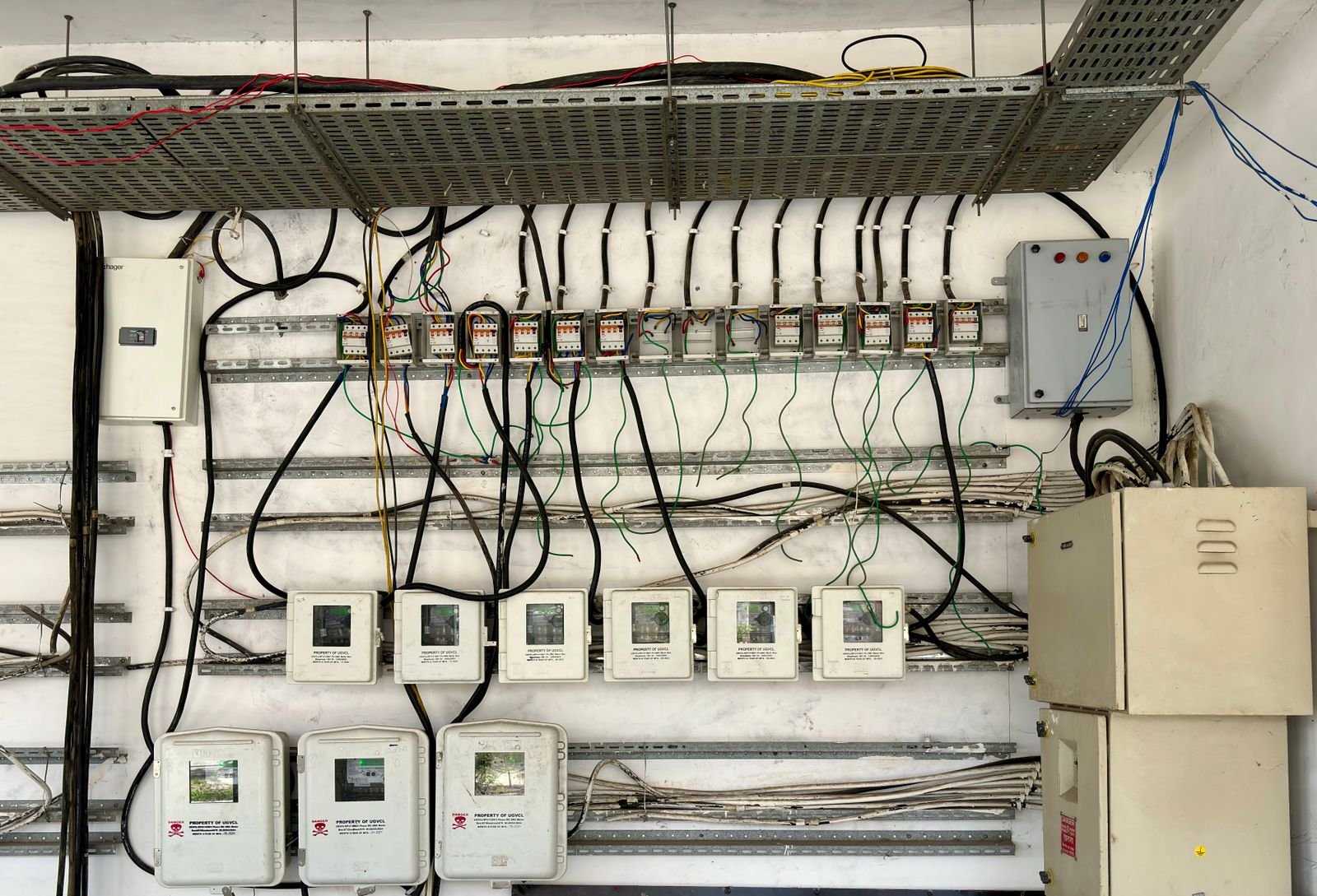
V2L needs nothing but the adapter that comes with the car. V2H is a real electrical project. For the F-150 Lightning, the shopping list looks like this:
- Ford Charge Station Pro (the 80-amp bidirectional charger, included with extended-range Lightnings).
- Home Integration System from Sunrun, which includes the inverter and the dark-start battery.
- Transfer switch and the wiring that ties it into your main panel, installed by a licensed electrician.
- Permits and inspection, since you’re connecting a power source to your home’s electrical system.
Budget accordingly. A full Ford Home Integration System install commonly lands around $5,000, and GM’s charger-plus-enablement-kit bundle runs about $7,299 before installation, per the eos-e guide. That’s on top of the truck.
The real downsides owners run into
V2H isn’t flawless, and it’s fair to hear the complaints. Installs can go sideways. In one InsideEVs report, a Lightning owner posted that the system worked at first and then quit:
“Mine was installed in November and has not worked outside the initial test.” Source: InsideEVs
Beyond install hiccups, the honest limits are these:
- The truck is parked while it backs up your house. If a storm knocks out power for a week, the vehicle that’s keeping your fridge cold is the same one you’d want to drive.
- Charging back up during a grid-down event is hard. Without solar or a fast charger on a working circuit, once the battery’s gone, it’s gone.
- Cold weather and heavy loads drain it faster than the spec sheet suggests. Running electric heat off an EV eats range quickly.
- V2L can’t do a whole house. That 3.6 kW ceiling is a hard wall, not a suggestion.
EV backup vs a home battery like a Powerwall
This is the comparison worth thinking through before you spend anything. A home battery like the Tesla Powerwall 3 (~13.5 kWh usable, 11.5 kW output, typically $13,000 to $16,500 installed in 2026) is always mounted on your wall, always ready, and pairs cleanly with solar so it can recharge every day the sun’s out. Your car stays free to drive.
An EV holds far more energy (a Lightning’s battery dwarfs a single Powerwall), and if you already own the truck, V2H can be cheaper than a wall of batteries. The tradeoff is that your backup power and your transportation are the same asset. For a longer look at that tension, see our guides on home battery vs generator and whether home batteries are worth it. If you’re weighing what a battery can realistically carry, running your AC on a home battery during an outage is a useful reality check.
My take: if you already have a capable EV, V2H is a strong, high-capacity backup that’s hard to beat on energy for the money. If you don’t, and you want set-and-forget backup that never leaves the house, a dedicated home battery paired with solar is the cleaner answer.
Frequently asked questions
Can any EV power my house, or only certain ones?
Only certain ones. The EV needs V2L outlets or bidirectional (V2H) hardware. The F-150 Lightning, most GM Ultium EVs, the Tesla Cybertruck, and Hyundai and Kia E-GMP models qualify for one or both. Many older or budget EVs can do neither, so check the exact model and trim.
How long can an EV power a house?
It depends on the battery size and your load. A Lightning with a full extended-range battery can run a typical home for roughly three days of normal use, and up to about ten days if you ration to essentials. V2L on a smaller EV can keep a fridge and lights going for a day or more.
Do I need a transfer switch for V2L?
No. V2L just uses outlets on the car, so you plug appliances in directly with extension cords. A transfer switch and professional wiring are only required for full V2H home backup, where the EV feeds your electrical panel.
Does using V2H hurt my EV battery?
Occasional backup use is minor in the scheme of a battery’s life. You’re adding cycles, but a modern EV pack is rated for hundreds of thousands of miles of equivalent cycling. Daily cycling for something like a virtual power plant is more wear, so read the program terms first.
Can I power my house with an EV and solar together?
Yes, and that’s the strongest setup. Solar recharges the EV during the day so it isn’t a one-shot battery during a long outage. The catch is that a standard grid-tied solar system shuts off in an outage unless it’s paired with backup gear, so the components have to be designed to work together.
Trey Linder writes about EVs, home batteries, and rooftop solar for homeowners at Electrified Experts.