 ElectrifiedExperts
Yes, owning an EV without home charging is possible, and plenty of people do it. But here is the honest version most sales pages skip: it is the single biggest thing that decides whether you love or hate your EV. If you can plug in at home or at work, even into a slow wall outlet, you will probably be happy. If your only option is public fast chargers, you may end up frustrated. This guide walks through both sides and gives you real ways to make it work before you buy.
Can you own an EV without home charging?
You can own an EV without home charging, but your happiness depends heavily on having some reliable place to plug in overnight, whether that is a slow wall outlet at home, a charger at work, or a nearby station you actually control. Relying only on public fast charging works for some people and quietly wears down others. The difference is worth understanding before you sign.
Spend a week reading owner forums and one pattern shows up again and again. The people who regret their EV almost always share the same detail. They had nowhere to plug in at home.
Why public-charging-only ownership frustrates people
Let me not sugarcoat this part. The most upvoted advice you will find on this exact question is blunt, and it comes from someone who lived it. One owner on r/electricvehicles wrote:
“Advice from someone who bought an EV planning on only public charging: Don’t do it to yourself it’s not worth it. I regret this decision daily.” (source, 203 upvotes)
That comment sits near the top of the discussion for a reason. It reflects a real, common experience. When your only refueling option is a public station, charging stops being a background chore and becomes an errand you have to plan your week around.
The wait times are the part people underestimate. A fast charger is quick once you are plugged in, but only if a working stall is free. It often is not. As one r/electricvehicles poster put it:
“EA stations are busy most of the time and the wait is painfully long (30-60 minutes easily).” (source)
Now stack that on a cold Tuesday when you are tired and want to be home. That is the reality behind public-only ownership, and it is why some shoppers rule out EVs entirely. A prospective buyer summed up the hesitation plainly:
“I have never considered an EV because I will not be a home owner.” (source)
And even when an apartment does offer chargers, the experience can fall apart on setup. Confusing apps, dead stations, and no support are common complaints. An Austin renter on r/electricvehicles said it out loud:
“My apartment has XEAL charging stations but couldn’t figure out how to use them.” (source)
The honest cons, in one place
- Fast chargers are often busy, with 30 to 60 minute waits at peak times.
- Public charging usually costs more per mile than charging at home.
- You have to plan trips and errands around station locations and availability.
- Apartment and third-party chargers can be confusing, buggy, or poorly supported.
- Cold weather, road trips, and busy stations compound the hassle all at once.
Why home (or near-home) charging changes everything
Here is the good news, and it is bigger than most people expect. You do not need a fancy setup to solve this. You do not even necessarily need a garage. What you need is somewhere to trickle electricity into the car while you sleep.
The math is friendlier than the fear. Owners in a 205-comment r/electricvehicles thread confirm that an ordinary 120V household outlet, known as Level 1 charging, is enough to cover a typical daily commute for most people. It adds only about 3 to 5 miles of range per hour, which sounds slow, until you realize how little most of us actually drive.
According to figures cited in a 319-upvote r/electricvehicles post, the “Average US driver goes 37 miles a day” and “95.1 percent of trips taken in personal vehicles are less than 31 miles.” Plug in for 10 to 12 overnight hours on a normal wall outlet and you can replace 30 to 60 miles by morning. For the average driver, that keeps up with daily life without a single visit to a public station.

It even holds up on the road. One road-tripper on r/electricvehicles found that overnight charging on a standard outlet at their destinations, hotels and rentals with a regular plug outside, “was brilliant.” Slow charging feels useless until you match it to hours you are not driving anyway. Then it quietly does the job.
Workarounds for owning an EV without a garage
If you rent, live in an apartment, or park without a dedicated spot, you still have options. Some are obvious, some are not. Here is what actually tends to work, roughly in order of how much effort each takes.
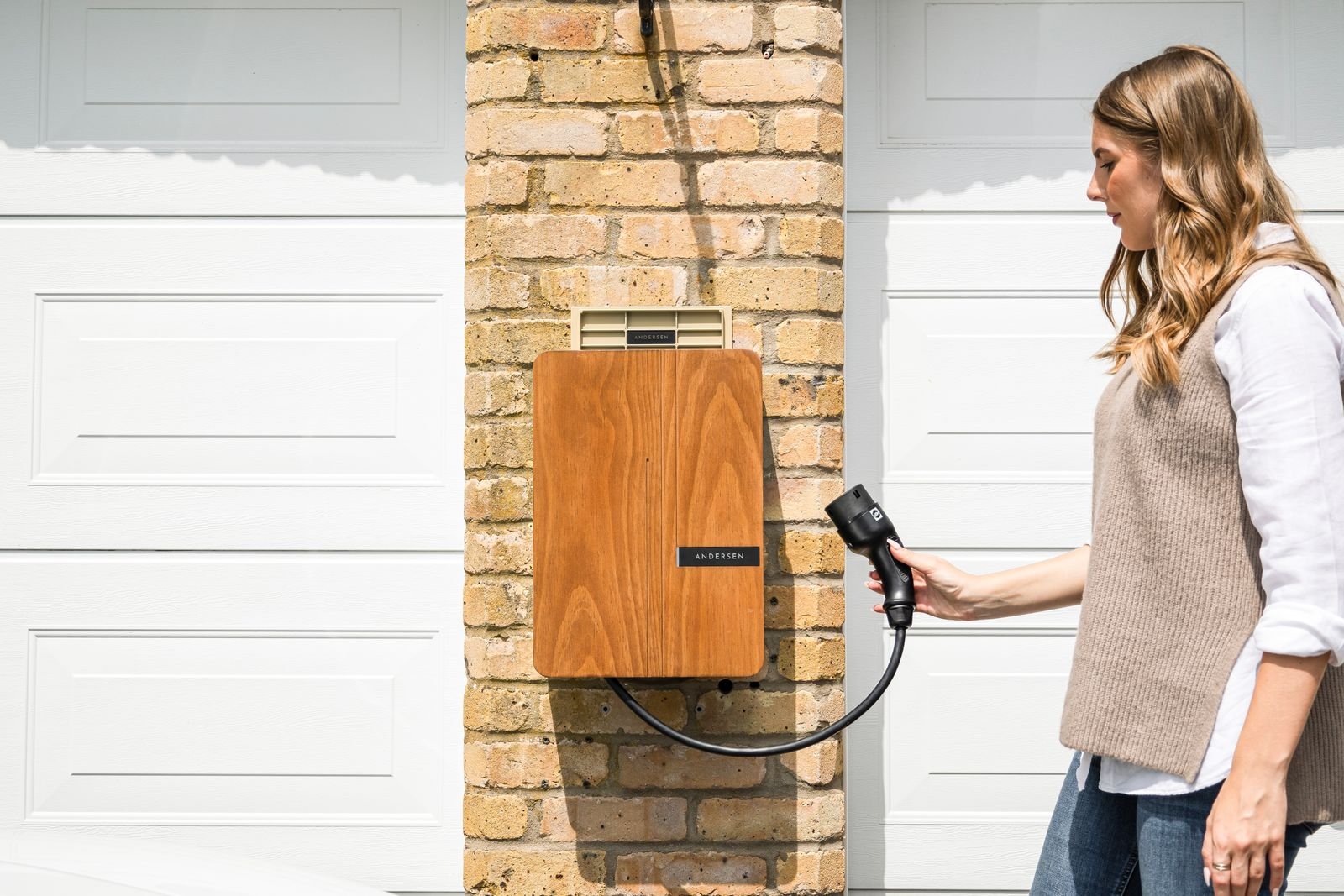
- Level 1 (120V) charging. Any standard outlet within reach of your parking spot adds roughly 3 to 5 miles of range per hour. That covers the average 37 mile day with room to spare. If you can run a cord to an outdoor plug safely, this is the cheapest fix there is.
- A portable Level 2 unit on a 240V outlet. If you have access to a dryer-style 240V outlet, a plug-in Level 2 charger gives you far faster charging with no permanent installation. It travels with you and unplugs when you move out.
- Workplace charging. If your employer has chargers, your car fills up during hours you are sitting at a desk anyway. Many public-only headaches disappear the moment you have a second reliable plug.
- Scout PlugShare before you buy. Check PlugShare for chargers at your building, on your street, or on your regular routes. Look for slow “destination” chargers you could use overnight, not just fast chargers, and read recent check-ins to see which stations actually work.
- Ask your landlord or HOA about adding an outlet. A simple 120V or 240V outlet near your spot is a modest ask. Several states have right-to-charge laws that limit how much a landlord or HOA can refuse a reasonable charging request, so know your local rules before you ask.
- Use a smart splitter to share a 240V circuit. A NeoCharge-style splitter lets an EV charger share an existing 240V circuit, like a dryer or welder outlet, without running a new line. In a shared garage or duplex, this can turn a plug you already have into a charging spot.
- Consider a plug-in hybrid instead. This is the honest alternative. If you truly have zero charging at home or work, a PHEV lets you do short daily trips on electricity when you can charge and fall back on gas when you cannot. No range anxiety, no station roulette.
One tax note while you are planning. The federal home EV charger credit (30C) covers 30% of the cost of a charger, up to $1,000, for units placed in service through June 30, 2026. Source: Coltura. If you can install any kind of home unit, even a portable one on a new outlet, it is worth checking whether you qualify.
Is an EV worth it without home charging?
My take, after reading a lot of these threads, is simple. If you can secure any overnight plug, a wall outlet, a workplace charger, a nearby destination charger you trust, then yes, an EV is worth it and you will likely be glad you bought one. If you genuinely cannot charge anywhere except public fast chargers, be honest with yourself about the waits and the planning. For that situation, a plug-in hybrid is often the smarter buy today.
The technology is not the problem. Where you park is.
Frequently asked questions
Can I use only public charging for an EV?
You can, and some people manage it fine, especially near reliable, uncrowded stations. But owners who rely only on public fast charging report frequent waits of 30 to 60 minutes and a lot of trip planning. Most people are happier with at least a slow home or workplace plug as a backup.
Is Level 1 charging on a regular outlet really enough?
For many drivers, yes. A standard 120V outlet adds about 3 to 5 miles of range per hour. Over a 10 to 12 hour overnight session that covers the average 37 mile day. If your daily driving is well under 40 miles, Level 1 often keeps up without any public charging at all.
Can my landlord stop me from charging my EV?
It depends on your state. Several states have right-to-charge laws that limit how much a landlord or HOA can refuse a reasonable request to install charging. Start with a simple ask for a standard outlet near your spot, and check your local rules first.
What if I have absolutely no way to charge at home or work?
Then be honest about it before you buy. A plug-in hybrid is the practical alternative, giving you electric miles for short trips when you can charge and gas for everything else. It removes the dependence on public stations entirely.
How do I check charging options before I buy an EV?
Open PlugShare and look at your building, your street, your workplace, and your regular routes. Note slow destination chargers, not just fast ones, and read recent user check-ins to confirm stations actually work. Knowing your real options beforehand prevents most regret.
Trey Linder writes about EVs, home batteries, and rooftop solar for homeowners at Electrified Experts.