 ElectrifiedExperts
In the home battery vs generator debate, neither one wins outright, and anyone who tells you otherwise is selling something. A home battery is silent, switches on instantly, needs almost no maintenance, and can earn you money on ordinary days. A generator is cheaper per hour of runtime, keeps going through multi-day and winter outages, and does not care whether the sun comes up. The right pick depends on the outages you actually get and what you want backup power to do the other 360 days a year. Here is the honest framework.
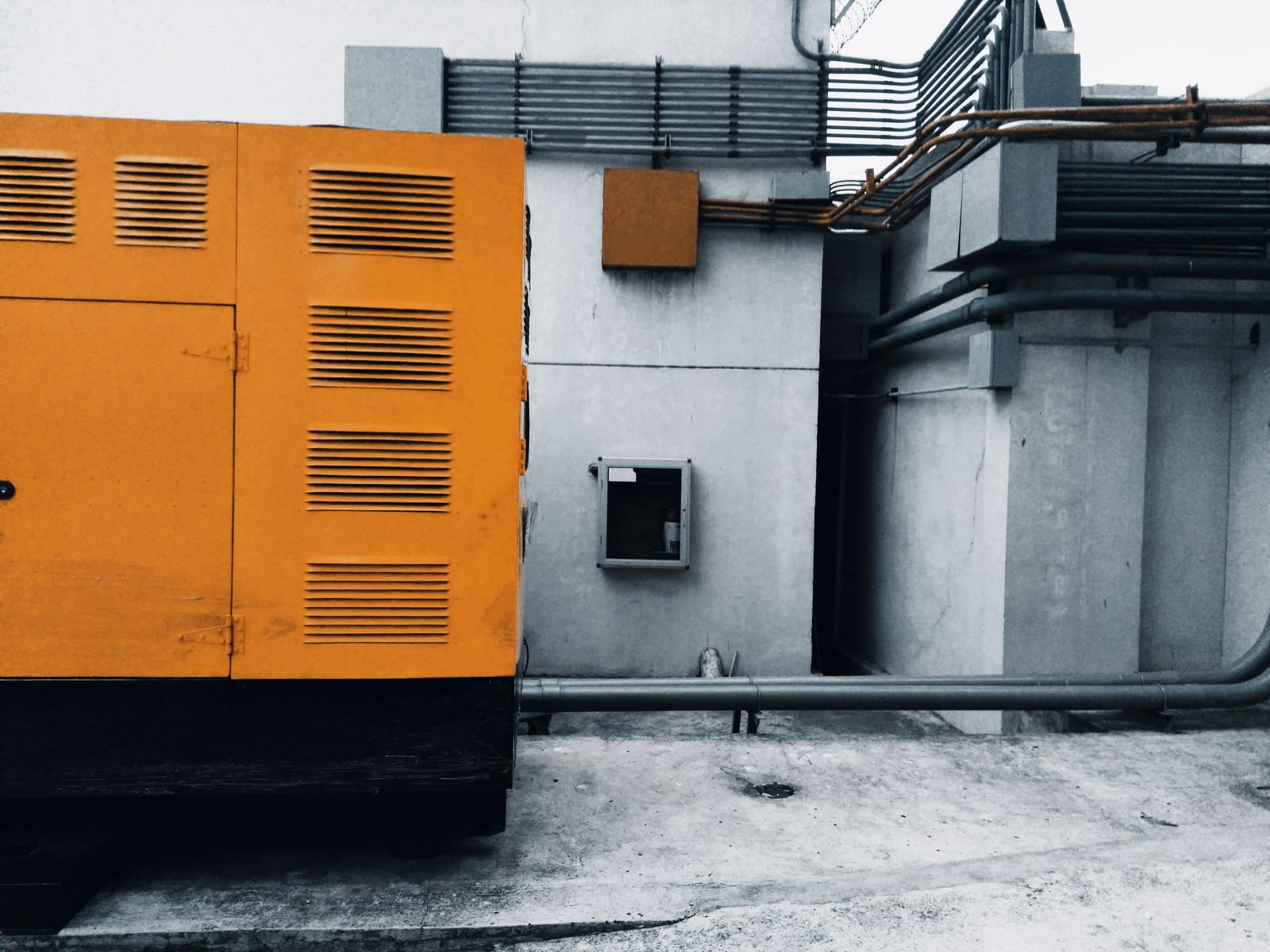
Home battery vs generator: what’s the real difference?
A home battery stores electricity and delivers it silently and instantly when the grid drops, then recharges from solar or the grid. A generator burns fuel to make power on demand, so it runs as long as you feed it. Battery wins on convenience and daily value. Generator wins on long outages and cost per kilowatt of runtime.
That is the whole tradeoff in four sentences, but the details are where people get it wrong. A battery like the Tesla Powerwall 3 holds about 13.5 kWh usable and puts out 11.5 kW continuous, at a typical installed cost of roughly $13,000 to $16,500 in 2026. Source: SmartEnergyUSA. That is plenty to run a house for a stretch, until it isn’t. A standby generator, by contrast, can run for days as long as it has natural gas, propane, or a fuel can nearby.
So the question is not which one is better. It’s which failure mode you can live with: running out of stored energy, or running out of fuel, quiet, and patience.
The case for a home battery
The thing owners rave about is what happens when the power goes out and nothing happens. No flicker, no fumbling with a pull cord, no walking outside in the rain. The lights just stay on.
One homeowner summed up the appeal better than any brochure:
“I work from home, and I don’t even notice power outages anymore.” (source, The Cool Down)
That silent, instant switchover is the whole point. A battery flips to backup in a fraction of a second, so your computer never reboots and your fridge never notices. A generator, even a fast-starting standby unit, takes several seconds to fire and transfer, and portables mean going outside to start them.
Then there’s upkeep, or the lack of it. Generators need oil changes, fuel stabilizer, exercise cycles, and the occasional repair when the one time you need it, it won’t start. Batteries mostly just sit there. Owners weighing the two on r/Generator landed in the same place:
“basically zero maintenance, unlike a portable or standby generator.” (source, The Cool Down)
In that same discussion, the math for shorter outages held up too:
“a battery setup costing about $5,000 could last a full day and provide basically zero maintenance.” (source, The Cool Down)
The part generators can never match is what a battery does on normal days. If you have time-of-use electricity rates, the battery charges when power is cheap and covers your house when it’s expensive. If your utility runs a virtual power plant (VPP) program, it can pay you to share stored energy during grid peaks. And if you have solar, the battery soaks up midday production you’d otherwise export for pennies. A generator sits in the yard depreciating between outages. A battery is working every single day.
The case for a generator
Now the other side, because a battery has a hard ceiling and it shows up fast in a long outage. When the stored kilowatt-hours run dry and there’s no sun to refill them, the battery is just a heavy box on the wall.
One Powerwall 3 owner learned this during an extended outage on a home pulling around 100 kWh a day. The battery could not keep up, and the family ended up running:
“four days on generator and extension cords.” (source, The Cool Down)
That is the scenario batteries lose. A multi-day outage, a big house, and either no solar or short winter days that can’t recharge the pack. This is exactly when a generator shines. It doesn’t care what time it is or what season it is. Feed it fuel and it runs at 3 a.m. in January the same as noon in July.
A generator also gives you the lowest cost per kilowatt of runtime by a wide margin. A whole house generator that can carry your entire panel costs far less than the battery bank you’d need to match its endurance. If your priority is riding out long, rare, serious outages, dollar for dollar the generator delivers more hours of power.
The cons of each, in one place
- Battery: finite capacity, so multi-day outages can flatten it, especially without solar or in winter.
- Battery: high upfront cost per kWh of storage, and recharging depends on sun or a working grid.
- Battery: a big house with heavy loads drains it faster than owners expect.
- Generator: noise, fumes, and real maintenance (oil, fuel, exercise cycles, occasional no-starts).
- Generator: a delay before it kicks in, and portables mean going outside to start them.
- Generator: earns you nothing between outages and needs a fuel supply you have to manage.
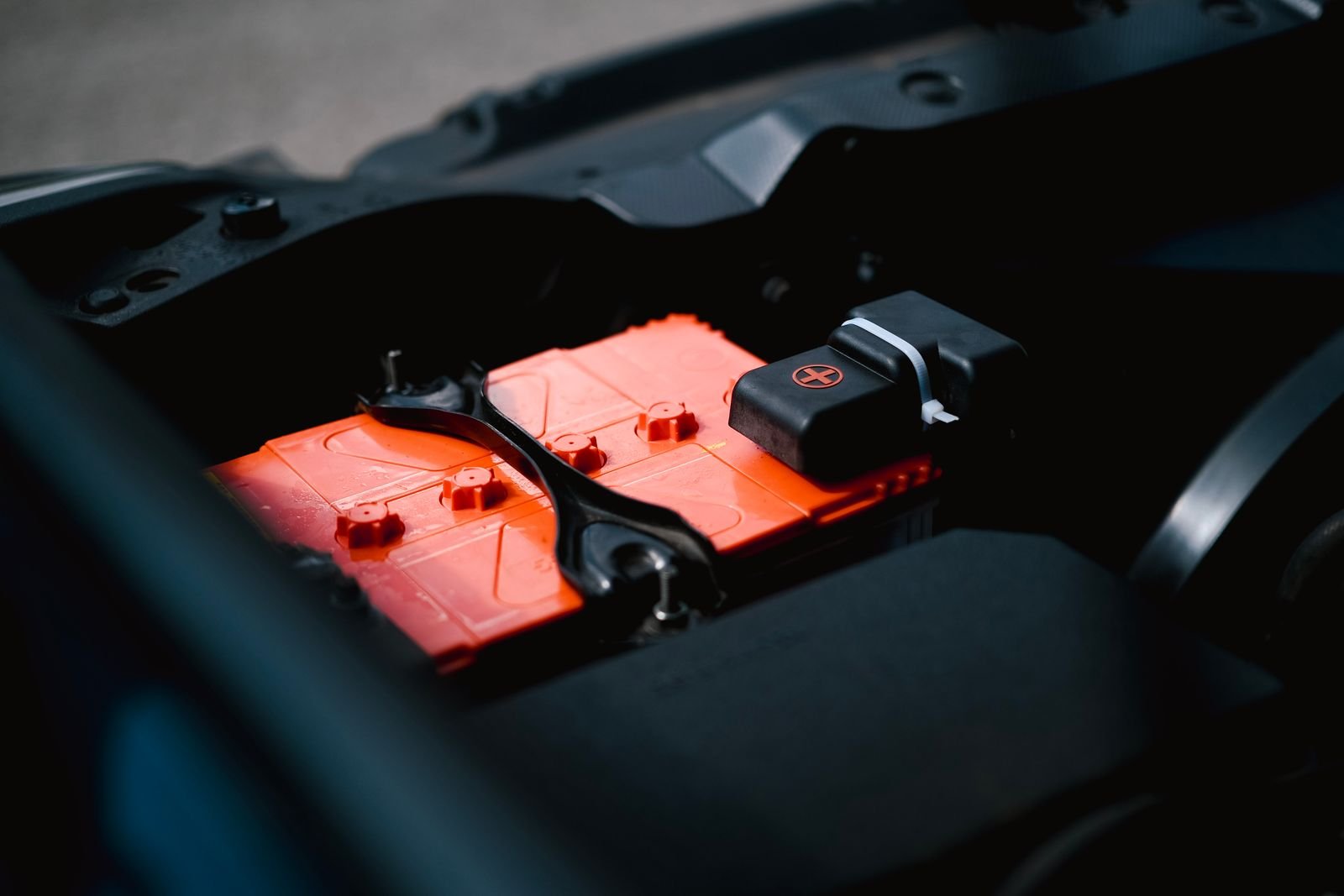
Can you pair a battery and a generator?
Yes, and it’s the most resilient setup there is: the battery handles the silent, instant, everyday duty, and the generator steps in to recharge it during a long outage so you never hit the wall. On paper it’s the best of both. In practice, wiring the two together is clumsier than it should be.
The sticking point is that a Powerwall will not natively charge from a generator during an outage. Getting it to work means third-party transfer switches and careful sequencing, and it has been a recurring headache in long owner threads on Tesla Motors Club. See this Tesla Motors Club discussion that runs many pages deep on exactly this problem. It can be done well, but it is not plug and play, and a bad design can leave the generator and the battery fighting each other.
If you go this route, use an installer who has actually built the combination before and can show you the transfer-switch layout. This is not the job for a general electrician improvising on the day.
How to choose: a backup power decision framework
Match the tool to your outages and your goals. Here’s how the choice usually breaks down:
- Pick a battery if your outages are short and frequent, you want silent instant switchover, you have or plan to add solar to recharge it, and you want daily time-of-use or VPP value the rest of the year.
- Pick a generator if you face long multi-day or winter outages, you want the lowest cost per kW of runtime, and you don’t mind fuel, noise, and maintenance.
- Pair both if you want maximum resilience and can afford careful transfer-switch design done by someone who has built the combo before.
- Consider a portable power station as the budget middle ground. For renters, apartments, or small essential loads, a plug-in battery station covers a laptop, a router, phones, and a few lights without any wiring.
- Size either one to your essential loads first. Add up the fridge, furnace fan, well pump, medical devices, and a few lights before you shop. Back up what you need, then decide how much more is worth paying for.
The mistake I see most often is buying for the outage people fear instead of the outage they actually get. If your grid blinks for two hours a handful of times a year, a battery makes those events disappear and pays you back on your bill. If your area loses power for days after every big storm, a generator is the honest answer, even with the noise. Be clear-eyed about your own history before you spend.
Frequently asked questions
Is a home battery or generator cheaper?
For raw runtime in a long outage, a generator is cheaper per kilowatt. A whole house generator costs less than the battery capacity needed to match its endurance. A battery costs more upfront but can pay some of that back through daily time-of-use savings and VPP programs, which a generator never does.
How long will a home battery last in a power outage?
It depends on your loads and whether it can recharge. A single Powerwall-class battery of about 13.5 kWh can run essential loads for a day or so, longer if you’re careful. In a home using around 100 kWh a day with no solar to refill it, one owner still had to run a generator for four days. Winter and cloudy days shorten that window.
Can a Powerwall charge from a generator?
Not natively during an outage. Owners get it working with third-party transfer switches and careful wiring, but it’s not plug and play and has been a long-running headache in Tesla Motors Club threads. If you want this combo, hire an installer who has built it before.
What’s the best backup power for outages if I rent?
A portable power station is the practical middle ground. It needs no wiring or permits, plugs into a wall to charge, and covers small essential loads like a router, laptop, phones, and a few lights. It won’t run a whole house, but it’s the cheapest way to stay online through short outages.
Do I need solar to make a home battery worth it?
No, but solar changes the math a lot. Without solar, the battery only recharges from the grid, so once it’s empty in an outage you’re stuck until power returns. With solar, it refills every sunny day, which is what lets a battery carry a home through a longer outage. Our guide on whether home batteries are worth it digs into the full cost picture.
If you’re leaning battery, two more reads will help you size it right: how many Powerwalls you actually need and whether a home battery can run your AC during an outage. Both come down to the same essential-loads math above.
Trey Linder writes about EVs, home batteries, and rooftop solar for homeowners at Electrified Experts.