 ElectrifiedExperts
If your solar installer went out of business, your panels almost certainly still work, and you have real options. The equipment on your roof did not stop making power the day the company filed for bankruptcy. What broke is the chain of service behind it: warranty claims, monitoring, and in many cases the billing on your lease. The good news is that the three warranties on a solar system are separate, and the most valuable one usually survives the installer’s collapse. Below is what actually happens to your coverage, your monitoring, and your contract, followed by a step-by-step recovery plan. There is a way forward, and it starts with knowing which promises are still enforceable and which just died with the company.
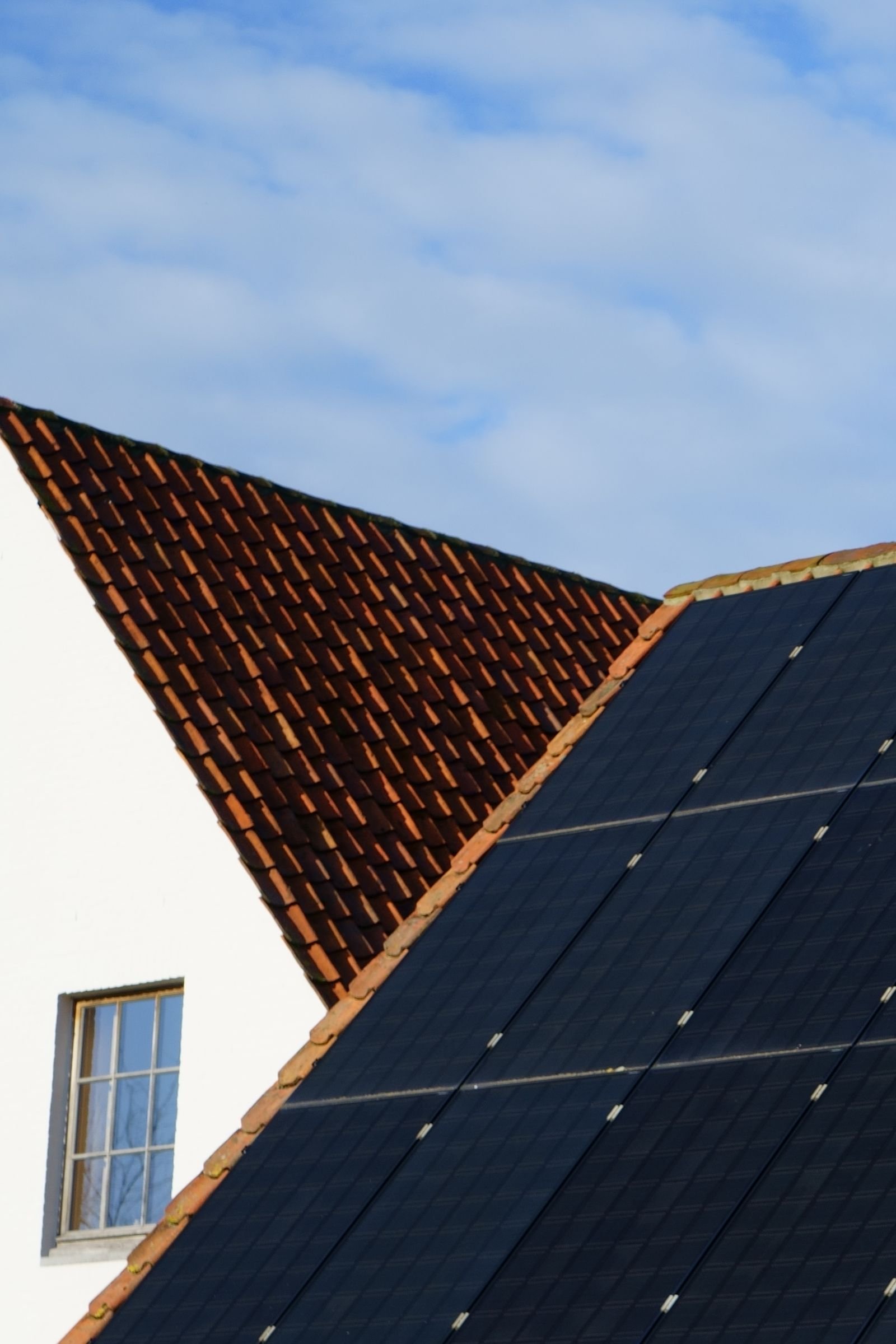
What happens when your solar installer goes out of business?
When a solar installer goes out of business, your panels keep producing power, but the workmanship warranty and any service promise from that installer usually end. The manufacturer warranties on your panels and inverter typically survive, because they come from the hardware makers, not the installer. Your job is to separate the two and reconnect service through a local company.
That distinction is the whole game, so it’s worth being precise. A rooftop system carries three separate warranties. There’s the panel warranty from the module maker, often 25 years. There’s the inverter warranty from a company like Enphase or SolarEdge, usually 10 to 25 years. And there’s the workmanship warranty from the installer, covering the labor, the roof penetrations, and the wiring, often 10 years. When the installer dies, the third one goes with it. The first two are contracts with companies that are still very much in business.
Which solar companies have actually failed?
This is not a rare event anymore. A wave of solar companies has failed across 2024 through 2026, and it caught a lot of owners who did nothing wrong. Sunnova filed for Chapter 11 bankruptcy in June 2025. SunPower, one of the oldest and most trusted names in residential solar, went under. ADT Solar, Titan Solar, and Vision Solar all folded. If your paperwork has one of those names on it, you are one of hundreds of thousands of people now holding what the industry calls an orphaned solar system.
The failures matter because of how they play out on the ground. It is rarely a clean shutdown with a clear handoff. It’s months of silence, unanswered service tickets, and billing that keeps running even when nobody’s picking up the phone.
The reality of an orphaned solar system, in owners’ words
Let’s be honest about how bad the service gap gets, because the marketing never mentions it. Owners of orphaned systems describe the same pattern over and over: a problem, a promise, and then nothing.
One Sunnova customer had a technician come out, order a part, and then vanish. The part, they wrote:
“never arrived,” leaving “two months without communication or system functionality… So yeah, stay away.”
Source: The Cool Down. Two months of a dead system you’re still paying for is not a hardware failure. It’s a service failure, and it’s the signature of a company that’s stopped functioning.
The billing side gets its own kind of ugly. During the bankruptcy, Sunnova customers reported that they:
“can’t even pay our bill”
and that they:
“May get an attorney involved.”
Source: The Cool Down. When you can’t even hand a company your money, keep a dated record of every attempt. That paper trail protects you later.

Then there’s the warranty that exists only on paper. A SunPower owner watched a 20-year inverter warranty turn into a wall of silence. Their inverter, they wrote:
“failed in September of 2022 and after trying to get them to replace it for 6 months I ended up buying a Solis inverter.”
Source: Solar Panel Talk. Six months of fighting, then they gave up and paid out of pocket, abandoning a warranty that was technically still in force. That’s the trap. A warranty is only as good as the company standing behind it.
And the lease math can go sideways fast. One homeowner ended up with a half-dead array and a payment that:
“went from around $160 to $327,”
then got hit with a pitch to exit the contract for $6,000. Commenters on that thread warned the offer:
“can’t get you out of the contract.”
Source: The Cool Down. Treat any “pay us to escape” offer that shows up after a bankruptcy as a second scam layered on top of the first.
The path forward: who fixes my solar panels now?
Here’s the part the horror stories leave out. There is a standard, boring, effective fix, and the owner community lands on it every time. As one commenter put it plainly:
“You should reach out to a local installer for service.”
Source: The Cool Down. A growing number of local solar companies now advertise orphaned-system service specifically. They’ll take over repairs, re-establish your monitoring, and file manufacturer warranty claims on your behalf. The hardware on your roof is standard equipment. Any competent installer can work on it.
A recovery plan for your orphaned solar system
Work through these in order. The goal is to protect the coverage you still have, restore service, and avoid the scams that circle a bankruptcy.
- Separate your three warranties. Dig out your original contract and list the panel warranty, the inverter warranty, and the installer’s workmanship warranty as three different things. The equipment and manufacturer warranties on the panels and inverter usually survive the installer’s death even when the workmanship warranty does not.
- Call the manufacturers directly. Contact the panel maker and the inverter maker (the brand names are on your equipment or in your paperwork) to confirm your coverage and ask how to register or transfer it into your name now that the installer is gone. Get it in writing.
- Hire a local installer that offers orphaned-system service. Have them take over repairs and re-establish monitoring so you can actually see whether the system is producing. Many will also handle manufacturer warranty claims for you.
- If you have a lease or PPA, keep paying per the contract. These contracts typically transfer to whoever buys the bankrupt company’s assets. Keep paying as written unless you’re officially told otherwise, and document any billing gaps or failed payment attempts with dates.
- Ignore “$6,000 to get out of your contract” ads. Offers to buy you out of a lease after a bankruptcy are their own scam and often can’t legally release you from the agreement. If you want out, talk to a lawyer, not a cold-caller.
- Keep every record. Save contracts, warranty certificates, service tickets, emails, and payment records. For lease or title problems, or if you’re getting nowhere, consult an attorney. EnergySage keeps a useful guide on what to do if your installer goes out of business that’s worth reading alongside this.
- If you’re a buyer, check counterparty strength first. This whole mess is the argument for vetting a company’s finances before you sign. A 25-year warranty is worthless if the company won’t last five.
One more thing for anyone still shopping. The pattern behind these failures, aggressive sales and shaky finances, overlaps heavily with the pattern behind outright fraud, so our rundown of common solar panel scams is a good companion read. If you’re weighing how you pay for a system in the first place, the differences between a solar lease, loan, and PPA change how exposed you are when a company fails. And if there’s a house sale in your future, buying or selling a home with solar gets more complicated when the installer is gone.
Frequently asked questions
Is my solar warranty still valid after the installer’s bankruptcy?
Partly. The manufacturer warranties on your panels and inverter usually survive because they’re contracts with the hardware makers, not the installer. The installer’s workmanship warranty, which covers labor and roof penetrations, typically ends with the company. Call the manufacturers to confirm and transfer your equipment coverage.
Who fixes my solar panels if the company that installed them is gone?
A local installer. Many now offer orphaned-system service specifically, meaning they’ll take over repairs, restore monitoring, and file manufacturer warranty claims for you. Your equipment is standard, so any qualified solar company can service it.
Do I still have to pay my solar lease if the company went bankrupt?
Usually yes. Leases and PPAs typically transfer to whoever buys the bankrupt company’s assets, so keep paying as your contract states unless you’re officially notified otherwise. Document any billing gaps or failed payment attempts with dates in case of a dispute later.
Should I pay a company to get out of my solar contract?
No. Offers to buy you out of a contract after a bankruptcy are often a scam and frequently can’t legally release you from the agreement. If you genuinely want out, consult an attorney rather than responding to an ad or cold call.
Start with the two calls that cost nothing: the panel maker and the inverter maker, to confirm the coverage you still hold. Then line up a local installer that services orphaned systems. Your roof is still making power. The company failed, but your system doesn’t have to.
Trey Linder writes about EVs, home batteries, and rooftop solar for homeowners at Electrified Experts.