 ElectrifiedExperts
EV road trip charging works fine most of the time, but the horror stories are real, and they are the number one thing that scares shoppers off a first long drive. Yes, you will occasionally roll up to a fast charger that is broken or has a line. No, that does not mean road trips are off the table. The gap between a smooth trip and a miserable one is almost entirely about planning, not luck. This guide gives you the honest cons from owners who lived them, the reasons reliability is actually getting better, and a step-by-step playbook that heads off nearly every problem before it happens.
Is EV road trip charging actually reliable?
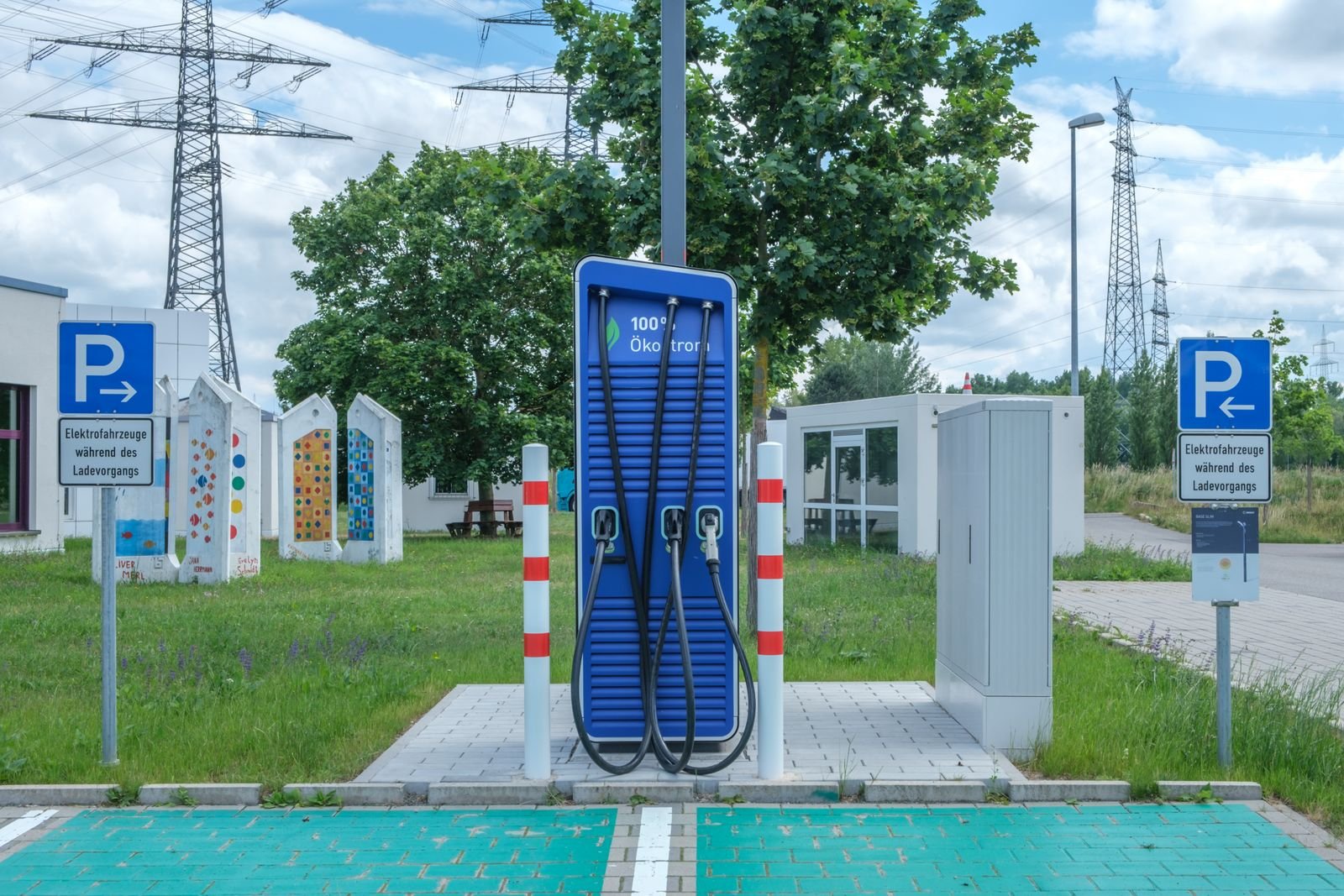
EV road trip charging is reliable enough for most trips today, but not yet bulletproof. On a well-traveled corridor you will usually find working, available stalls. On a bad day you might hit a dead charger or a busy site and lose 30 to 60 minutes. Good planning removes most of that risk, and it is why two drivers on the same route can have completely different trips.
So the fear is fair. It is also fixable. Let me give you both sides honestly before the playbook, because pretending the problems do not exist is how new owners get blindsided at a rest stop in the middle of nowhere.
The real complaints about broken and busy chargers
The most common frustration is not slow charging or short range. It is showing up to a DC fast charger and finding it dead, occupied, or both. This is the single loudest complaint in owner forums, and the upvote counts show how many people agree.
One of the bluntest takes came from a rider who called road trips “simply not practical in Southeast US for non-Teslas.” On a 700-mile trip, they found the “2 x 350kW chargers were both inoperative.” That post pulled 166 upvotes, which tells you it struck a nerve:
“road trips simply not practical in Southeast US for non-Teslas” (source, 166 upvotes)
It is not one region, either. A Bolt owner driving from Los Angeles to Seattle summed up the pattern most road trippers eventually see:
“Most of the stops I made had at least one station not working.” (source)
When a stall is down, the cost is your time. One driver described spending “50 minutes to locate a working charger,” which is exactly the kind of delay that turns a fun trip sour:
“50 minutes to locate a working charger.” (source)
Then there is congestion. Even a working station is useless if every stall is taken and there are cars ahead of you. Electrify America, the biggest non-Tesla network, gets called out for this a lot:
“EA stations are busy most of the time and the wait is painfully long (30-60 minutes easily).” (source)
Cost is creeping up, too. Public DC fast charging was never as cheap as plugging in at home, and the gap has narrowed the wrong way. Owners have flagged Electrify America pricing as high as “$0.64/kWh” at some sites, plus the return of idle fees for cars that sit on a charger after they finish. At those numbers, a road trip can cost roughly what gas would per mile:
“$0.64/kWh” (source)
The NACS adapter wrinkle for non-Tesla owners
Tesla’s Supercharger network is the most reliable option out there, and it is now opening to other brands through NACS. That is genuinely good news, covered more below. But adapters bring their own friction, especially at older Supercharger stalls with short cables. One owner spelled out the annoyance:
“You must block two ports to charge a Bolt.” (source)
None of this is made up, and I am not going to tell you it does not matter. If you plan a trip assuming every charger works and every stall is open, you will eventually have a bad day. The good news is that the same forums are full of people having the opposite experience.
Why reliability is actually getting better
Here is the part the scare stories leave out. The networks have spent the last couple of years fixing hardware, and owners are noticing. The evidence for improvement comes from the same crowd that complains loudest, which makes it more believable.
One driver logged 5,000 miles across the Southwest and came back with a title that says it all: “Don’t Tase me Bro, but EA Stations are…Fine?” Their conclusion was that “EA’s efforts to improve reliability are paying off,” and 147 upvotes suggest plenty of people have seen the same shift:
“EA’s efforts to improve reliability are paying off” (source, 147 upvotes)
Reliability also is not just an Electrify America story. A Chevy Bolt, which is about the slowest-charging mainstream EV you can buy, completed a 1,900 km run without drama thanks to a strong regional network:
“Flo is dominant here. Super easy though.” (source)
And a Mach-E owner who drove all the way from Houston to Banff, a long international haul, reported that Electrify America “had pretty great uptime” on the trip:
Electrify America “had pretty great uptime.” (source)
Notice the pattern. The smooth trips tend to come from people who picked good routes, used reliable networks, and did not push their luck on charge levels. That is not an accident. It is the playbook.
The EV road trip charging playbook
Almost every bad-day story above could have been softened or avoided with a little prep. Here is how experienced road trippers keep a broken stall from becoming a stranded afternoon.
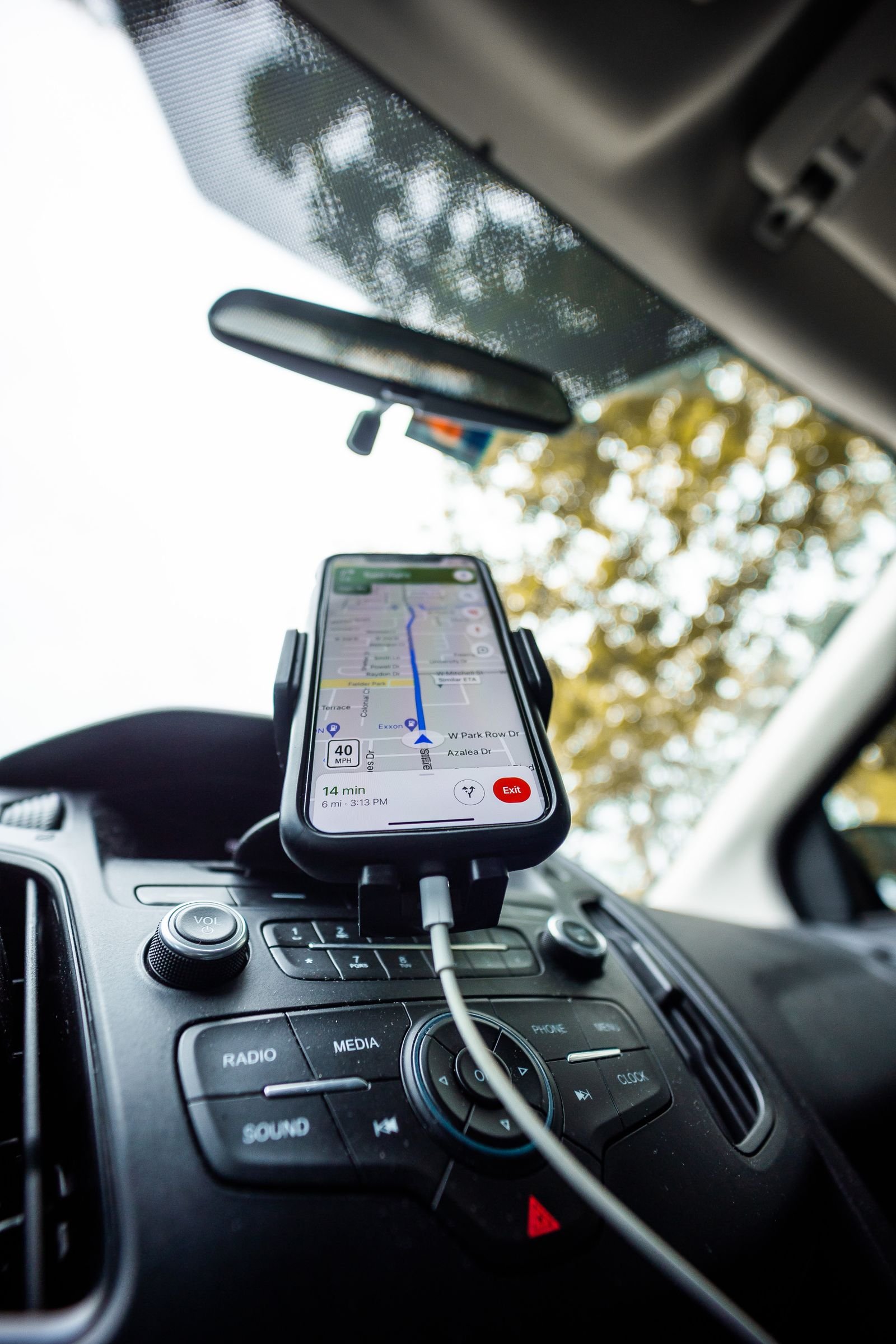
- Plan the route in PlugShare and A Better Route Planner. Use A Better Route Planner to build the leg-by-leg route around your specific car, then open PlugShare and read the recent check-ins for every stop. If the last three comments say a stall is dead, you just avoided a 50-minute detour.
- Always pick a backup station for each stop. This is the single most important habit. For every planned charger, know where the next working option is. A backup turns “the charger is broken” into a minor reroute instead of an emergency.
- Use Tesla Superchargers with a NACS adapter. For non-Tesla owners, the Supercharger network is the deepest and most reliable option available. Get the right adapter for your car, confirm your model has access, and it becomes your reliability safety net even if it means the occasional awkward two-stall park.
- Charge in the fast 10 to 80 percent window. DC fast charging slows down dramatically above 80 percent. On a trip, do not chase 100 percent. Two shorter stops in the fast window beat one long stop crawling to full.
- Precondition the battery before a fast-charge stop. Most EVs will warm the battery for faster charging if you set the charger as a navigation destination. A cold battery charges slowly, especially in winter. Preconditioning can cut a stop meaningfully.
- Set up every network’s app and payment before you leave. Download the Electrify America, Tesla, EVgo, and any regional apps, create accounts, and add a card at home. Fumbling with a broken payment terminal in the cold is a classic avoidable delay.
- Plan roughly 2-hour driving legs. Stopping to charge every two hours or so lines up with when you would want a bathroom and food break anyway. It also keeps your buffer healthy instead of white-knuckling between distant stalls.
- Keep a buffer and do not run below about 10 percent. Arriving at a charger with a comfortable margin means a dead stall is an inconvenience, not a tow. Running to single digits removes your options exactly when you might need them.
Do these eight things and the vast majority of road trip charging problems never touch you. The people who hate EV road trips are almost always the ones who skipped the backup-station step and got unlucky.
What kind of trip should you expect?
A realistic first big drive looks like this. You will charge every two hours or so, spend 20 to 40 minutes per stop, and mostly find working stalls because you checked PlugShare that morning. Once or twice on a long trip you may hit a dead charger or a short wait, and because you already know your backup, you shrug and move on. It is slower than a gas car, and it costs more than charging at home. It is also completely doable, which is what thousands of owners quietly prove every weekend.
If your entire ownership plan depends on public charging even at home, read our guide on owning an EV without home charging first, because that changes the math more than road trips do. And if you are shopping in cold country, winter range loss will affect your trip planning too.
Frequently asked questions
Is Electrify America reliable enough for a road trip?
It is much better than it was, and multiple owners now report good uptime on long trips. It is still not perfect, and busy sites can mean a wait. Plan a backup station for each stop and you will be fine on most corridors.
Do I need a NACS adapter for EV road trips?
If you drive a non-Tesla, a NACS adapter opens up the Tesla Supercharger network, which is the most reliable option available. It is not strictly required, but it dramatically expands your working-charger options and is worth having as a backup.
How often do you stop to charge on an EV road trip?
Roughly every two hours of driving, which lines up with normal rest and food breaks. Most stops run 20 to 40 minutes if you charge in the fast 10 to 80 percent window instead of waiting for a full battery.
How much does EV road trip charging cost?
Public DC fast charging is far pricier than home charging, and some Electrify America sites have hit around $0.64/kWh plus idle fees. On a road trip you may pay close to what gas would cost per mile, so the savings really come from charging at home between trips.
What happens if the charger is broken when I arrive?
You drive to your backup station, which is why picking one for every stop matters so much. Keeping your battery above about 10 percent gives you the range to reach the next option without stress.
Bottom line: build every trip around A Better Route Planner plus a checked PlugShare and a named backup for each stop, keep a NACS adapter in the trunk, and your first big EV drive will feel a lot more like the smooth trips than the horror stories.
Trey Linder writes about EVs, home batteries, and rooftop solar for homeowners at Electrified Experts.